
Episode 25:
Sabrina Perić
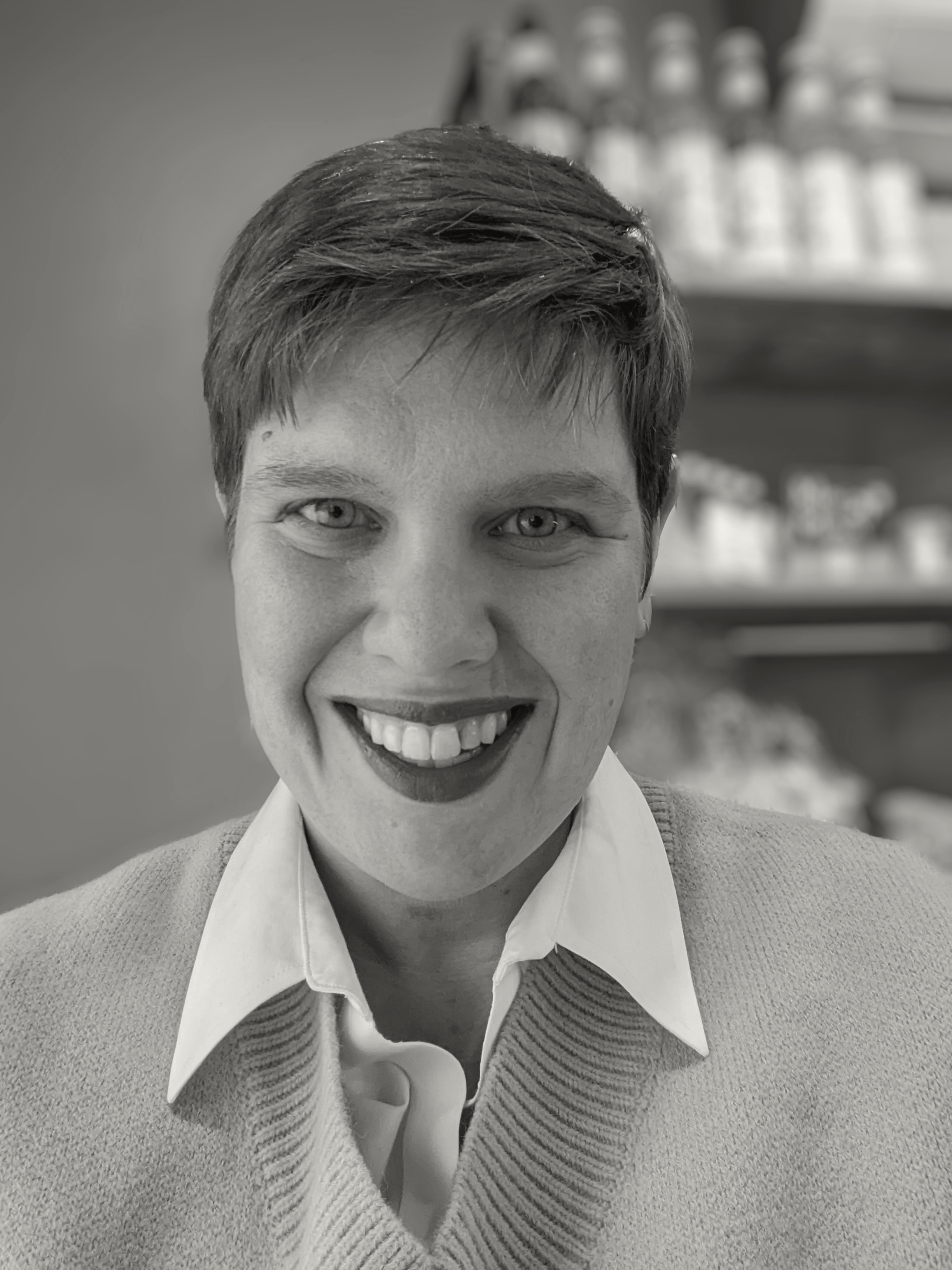
What can we do to combat soil health policy skepticism? Sabrina Perić is an anthropologist with a fresh and decidedly human perspective on this issue.
In this week’s episode of The Extensionists, Jay Whetter and Toban Dyck sit down for a conversation with Sabrina, an associate professor of anthropology at the University of Calgary. The three discuss the national disconnect when it comes to soil health policy and how Sarbina’s research revealed higher skepticism in Western Canada.
Listen here:
Transcript
Toban Dyck 00:03
This is the extensionist conversations with great thinkers in agriculture. I’m Toban Dyck and I’m Jay Wen.
Jay Whetter 00:14
Hey, Toban. Hey Jay. You were just in a jogging race recently.
Toban Dyck 00:20
You know, the fact that you call it a jogging race makes me think that we ever been in one? No, well, I was in high I knew it. I knew it. I ran 100 meter. Gosh, are you good? No, I was good in Delaware, but then I went to the regionals and got my butt kicked. We’re both tall, like, I’m surprised, surprised you’re not
Jay Whetter 00:44
a runner. No, well, I buy legs are short. I have a long back, so I’m carrying around a lot of torso.
Toban Dyck 00:50
That’s my excuse. So do you swim?
Jay Whetter 00:53
No, I walk and I play. Like, I’m
Toban Dyck 00:58
like, I hope you’d like swim to get the groceries, but, like,
Jay Whetter 01:02
I would swim if it was more convenient, would you? Yeah, I feel like I did a couple of yoga classes over the summer, because that’s like a swimmer’s body, like, a lot, yeah, long, and my arms are long, yeah, like a Phelps, yeah, I can flip her, yeah,
Toban Dyck 01:21
built in flipper, yes. So I did do a jogging race? Yeah, I would like to think that I ran it and running race, yeah, yeah. So it’s 10 miles. It was a 10 mile race. How long 10 miles? Wow. And did you take a lot of breaks? I didn’t take one break. Not one, not one break. So the funny part is they have these, like, hydration stations throughout the marathon and, or, you know, 10 mile marathon. And so you you grab it, you grab this little, like Dixie cup while you’re running. And so some people slow down. I didn’t want to slow down because I just, I was so determined to keep my pace, right. I mean, part of it’s like being really unconfident with the whole thing, right? It’s my first time doing a 10 Mile Run, but I didn’t want my head. I’m like, if I break, I’m just gonna, it’s gonna be over. I’m just gonna want to sit down and have a cup of coffee or something. So, like, I’m gonna keep pace. I grab these cups, and by the time it’s at my mouth, like, most of it is splashed out, and then what is left is kind of like, I just, like, dosing my face with like, Gatorade. There’s like, the sticky
Jay Whetter 02:20
juice that was in the cup was Gatorade. So apparently I learned later my wife was telling me never to get a sip. So So for people who aren’t watching the video version, Toban kind of had a shaking hand, which I can imagine running that, yeah, long, right? And then by the time you got the Dixie Cup team over
Toban Dyck 02:35
my face, and you just throw the cup like everybody does in the side of the room, it’s like, well, that was great, but apparently there’s two cups. There’s one that’s water, one that’s like, electrolyte drain, and they’re color coded, okay, white and green, I think, or blue in this in this case, I didn’t know that. I just always grabbed a cup that was, yeah, right, yeah, yeah. But anyway, I learned that I could do it, not really competitively. I was like, so it’s like, what 1000 people who ran in this Winnipeg 10 by 10, it was called, and I placed 290/4 Oh, excellent. Yeah, 20/21, in my
Jay Whetter 03:12
age bracket. Good, yeah, yeah, yeah. And what was the by 10 part? So I entered the 10 miles. But you said 10 by 10? Yeah, I don’t know,
Toban Dyck 03:22
because everything there were other options were 10 kilometers to I don’t know if. I don’t know if it all closed at 10:10am, in the morning. I don’t know if that was the end of the race, but might have been,
Jay Whetter 03:31
actually, but it started at seven or seven.
Toban Dyck 03:33
Yeah, yeah. Anyway, well, and why are you telling me this story about you asked. Oh, well, we are chatting with somebody who, who, who likes trail running. Oh, yeah, we are coming out. Yeah, that’s true. Yeah, that’s that’s what it was. I knew there was a reason. There’s an extension. There’s a reason why you wanted me to ask that question. There’s an extension. Angle to my to the to this. I want to do more of it.
Jay Whetter 04:00
The only thing, the only parallel I can draw to my life is that I was at at the U of M last week, and I was I ordered a coffee, put the lid on, and I’m sitting down having my coffee, and I like, I didn’t feel like I was squeezing it, but I squeezed it. The paper was so lightweight it popped the lid off and I spilled coffee on all over the table and all over my pants. You know what
Toban Dyck 04:24
all of our listeners right now are like, I’ve been there before, was that all in front of the Ag students that you have.
Jay Whetter 04:31
I had like, half an hour to hope my pants dried before I faced these, all these students with an embarrassing
Toban Dyck 04:38
wet and you were commit. You were commissioned to run some icebreakers that would have been a good ice, you know, a good icebreaker. You know, humbling.
Jay Whetter 04:46
So I’m just, I’m telling you now I’m humbling myself. Now, I didn’t tumble myself in front of all the students. Well, I did because they, I mean, we got them up and we did these icebreakers. This is the first year student. To the school of agriculture, which is the diploma program, and the department had asked me to come and do these icebreakers, because they always struggle to get some energy. Yeah, and the students, even, whether it’s me or anybody, I don’t really think they like it, but I think they got something out of it. Oh, good, yeah, yeah, I bet, I’m sure they did kind of had fun. Oh, that’s,
Toban Dyck 05:23
that’s awesome. That’s awesome.
Jay Whetter 05:25
Anyway, we should get on with our chat with Sabrina parritch.
Toban Dyck 05:30
Do I say something? I think we could just ride with that. Let’s do it.
DeKalb commercial 05:48
We know what’s on your wish list, instant savings on corn and soybeans from DeKalb. Save $25 per bag on corn and $1 per unit on soybeans, but only until December 12. Visit DeKalb rewards.ca for details.
Jay Whetter 06:07
Hey there, listeners. If you’re enjoying the conversations here on the extensionist, you will probably love to get our newsletter.
Toban Dyck 06:14
Yeah, it’s the best way to stay connected with us, with Jay and myself. Yours truly, I’m excited about the newsletter to be honest with you, because I think, well, so many of our guests have sorry. Why are you excited about say that differently? Jay, so many of our guests are. They say so many things of interest, right? And I feel like the newsletter be a great will be a great way to share that with our listeners, Quick, take homes, yeah, summaries, yeah, absolutely, one liner, absolutely, absolutely, I think about each each guest, we could probably write a whole bunch of articles from each of our guests, right? So to give our our newsletter subscribers, like summaries of, you know, the key takeaways of these things, plus, plus information on upcoming guests. All they got to do, all listeners have to do is go to the extensions.com and follow the prompts to sign up for the newsletter. I think it’ll be I think it’ll be great.
Jay Whetter 07:15
Welcome, Sabrina. Our guest is Sabrina Parrott, who’s an associate professor in anthropology at the University of Calgary and Sabrina, you’re actually in Calgary today, yet you live in Edmonton.
Sabrina Perić 07:26
I am. I’m in Calgary today, but Edmonton is home.
Jay Whetter 07:29
So there’s lots about your like, your personal life there, which we want to talk a bit about, and then we’ll get into the research and the gist of the conversation. But you grew up in Yugoslavia. And was it actually Yugoslavia at that time? This is pre war,
Sabrina Perić 07:44
yeah, yeah, it was then, yeah, it was then Yugoslavia. Yeah, I am. It was actually funny. I actually was born in Canada, in Toronto, but my mom was working for Yugoslav airlines when I was a kid, and then we actually moved back when I was just three months old. So I grew up, yeah, in the 80s in Yugoslavia, in a port town called Dyck, and then we came back towards the end of the 80s, right before the war started, to Canada.
Jay Whetter 08:15
Yeah, wow. And which, which country would that be in? Now, that home city, it’s in Croatia. In Croatia, okay, and is Paris a Croatian name? Or did you just happen to go back to Croatia? Yeah, that’s, yeah. It is, yeah, it’s Croatian. Okay, yeah, yeah. So that’s, you have roots in Croatia. It wasn’t just that your mom took you there because of her Yugoslavia.
Sabrina Perić 08:38
Yeah, I have roots there, and my whole family lives in an area that actually, this part of Croatia used to be a part of Italy, but now it’s kind of spread out between Italy, Slovenia and Croatia. And I used to spend summers on my great grandma’s farm. Actually, today in what is today, Slovenia.
Toban Dyck 08:57
Oh, wow. Interesting. What languages do you speak Sabrina,
Sabrina Perić 09:02
Croatian, Slovenian and Italian? Wow, because of my family, and then English, because I moved to Canada. And also I did a, I did bilingual schooling, so French too. Okay, French is in my wheelhouse.
Toban Dyck 09:15
Yeah, that’s amazing. Yeah. Do you keep up those languages? Do you
Sabrina Perić 09:20
those five pretty much. Yeah. I mean, yeah, yeah, produce five pretty much. But then I’ve got a few phrases in others that I don’t do so well and keep enough.
Toban Dyck 09:30
Wow, that’s amazing. That is, that is amazing.
Jay Whetter 09:35
And you said your family background, and even yours, to some extent, is in energy. And was it maritime shipping?
Sabrina Perić 09:42
Yeah, so I’m from, I grew up in a port city, which is a Dyck used to be a really important ship building center, actually, for hundreds of years on the Adriatic and also from the 19th century onward, was a big place for oil shipping, where the terminus of the. Pipeline. We have the deepest water tanker port on the Adriatic home to now a floating LNG terminal. I grew up basically down the street from a refinery in the city, so very much surrounded by energy. So a lot of my family members, close family members, who grew up there, especially on my father’s side, were in energy and and they were sailors. And with my mom’s family, mostly lived in what is today, Slovenia, and they were fruit farmers.
Jay Whetter 10:32
Wow, yeah. So you have some farming background, yeah,
Sabrina Perić 10:36
a little bit, yeah. I mean, I look, I look at those like a lot of, like, city kids, I look at those summers very fondly, where I got to, like, hang out with the cows and eat as many cherries as I wanted,
Toban Dyck 10:48
yeah, kind of like, romantic, pastoral, kind of versions of these things. Yeah, I get it. I get it
Sabrina Perić 10:55
also, also, also knowing from a young age that it was really hard work and probably not something I ever wanted to do. I gotta
Toban Dyck 11:05
say, though, there are times because, I mean, I am so just some background, I am a farmer. I am a grain farmer. This is my farm house you’re in. There are still moments in my in a growing season where I also look at it romantically, like where everything is is perfect, like harvest seasons like that sometimes, or you have your harvesting and it’s like, the beautiful sunset and the weather’s perfect, and you, you do kind of have that it’s, I even romanticize it. And sometimes the image actually fits, it is actually, yeah, that that romantic.
Sabrina Perić 11:36
That’s so like, I’m not gonna lie. I have a lot of fond memories of literally eating myself sick, sitting in a cherry tree like I literally have.
Toban Dyck 11:46
Well, you got here, you know? Yeah. But
Sabrina Perić 11:49
I also remember a lot of people getting up very early and coming Yes, very late and
Toban Dyck 11:53
tired, yeah, yeah. So do you know how to sail because of your Yeah?
Sabrina Perić 12:00
Yeah, I do, I do, but I haven’t really. I mean, you know, Alberta doesn’t present a lot of
Toban Dyck 12:07
opportunities, surprisingly,
Sabrina Perić 12:10
yeah, so some every so often when I’m in Croatia, but I haven’t now for a couple of years. Yeah, my dad was the big boat lover in my family.
Toban Dyck 12:18
Oh, wow. Well,
Jay Whetter 12:20
that’s it. But you do have, well, I think the you know, say that you do like spending time outdoors and hiking and running or something that Toban wanted to ask you about.
Toban Dyck 12:30
My wife and I just ran our first, my wife’s first, my first 10 mile race the other day. Congratulations. Thank you. Thank you. And I’d never done 10 miles before, so just, you know, chatting Jay’s ears, ears off about it, because it was just yesterday. So I’m like, my legs are like, you know, they’re pretty tired.
Sabrina Perić 12:50
But I was totally one of those, like, covid runners, were you? Was really stressed out and decided I needed to do something to get outside. So I decided that running a half marathon would be a good idea, and was it? Yes, it was an amazing idea. Yeah, it was really great. I mean, those, those were a couple of rough years, yeah, right,
Toban Dyck 13:14
yeah, yeah, but, but trail running is different all together, right? Like you’re Yeah,
Sabrina Perić 13:18
it is and, and it’s also, my favorite thing about trail running is that it’s totally fine not to run. That’s like, the best part of it, the trail running community is super welcoming, and they’re like, Yeah, you know, if you’re walking uphill, that’s totally trail running. And so I’m very much down with that and enjoying the enjoying nature and being outside.
Toban Dyck 13:38
Yeah, that’s actually a good point. Yeah, no, that’s, that’s funny. I just, just quick side note, I was watching because my YouTube algorithm now is all just feeding me marathon stuff. So I got these ultra marathoners in in account in Alberta actually did a, yeah, what is it called? Like, the something, Canada’s Death Race. It’s called,
Sabrina Perić 13:55
oh yeah, the Canadian Death Race, yes, in Grand cash. It’s every August, yeah.
Toban Dyck 13:59
So, like, all the footage is of them walking like they’re mostly just walking uphill with trekking poles, but it’s an ultra marathon.
Sabrina Perić 14:07
Wow. That might be one of the few ultra marathons where you also get to take a boat, right, take a boat across the river, and you have to, like, keep a coin with you the entire race and give it to your boat. It’s, yeah, it’s pretty awesome. I would love to do the Death Race one year. Oh yeah, and grand cash is beautiful.
Toban Dyck 14:27
But let’s commit right here, right now.
Toban Dyck 14:35
Anyway, anyway, we’ll move on from trail running, because Jay’s gonna feel left out.
Jay Whetter 14:40
Yeah, that’s right, I don’t mind walking or hiking. There we go. I trail I’d be the trail runner who hikes.
Sabrina Perić 14:48
That’s every trail runner. Yeah,
Jay Whetter 14:52
I What I’m more interested in is your degrees in the United States. So. To Dartmouth College in is it New Hampshire? Yeah, yeah, it’s in New Hampshire, yeah. And you took undergrad in theater and Russian studies, or some strange combination, which you never would have thought of from a person who grew up with a family of energy and maritime shippers. So how did that happen?
Sabrina Perić 15:18
Yeah, I don’t know, I just I came to university. I was one of those kids in high schools who thought I was going to be a science person. And I got to university, and I just realized that I had a really narrow focus, and that there were a lot of things I really loved, and I had some amazing professors and who encouraged exploration. I took a lot of different courses, but I eventually settled on theater and Russian because I really enjoyed them. But I also took, I mean, I went, it was a typical American liberal arts college. So I took a lot of other classes too, from everything from, you know, urban planning to actually, I did a summer semester of organic farming on the organic farm at our on our campus, and ended up with those two majors not really being sure what I was going to do with myself, but I was really lucky to have some professors who really encouraged my thinking and writing. And ended up doing some projects using kind of theater and performance literature to think through things in broader society, conflict, resource, conflict. And I became really interested in those topics. And then when I eventually went back to school after working a couple of years, I decided that a nine to five office job was not for me, and wanted to go back to school. I kind of knew what I wanted to do, and then I was looking for a home to do it in. I wanted to look at resource extraction, and in Europe, I did a lot of my early work in Europe and southern Europe, and anthropology was a really good fit, because I loved talking to people, and I loved learning from communities about their experiences. And so it was an ideal discipline where I would essentially get to spend time, spend time with, learn from people, hear their concerns, and understand some of the complexities that some of the more macro looks at society perhaps miss out on.
Jay Whetter 17:31
So the path to that, though, because we’re going to dwell on that, because that’s
Toban Dyck 17:35
where, that’s like, the resting place
Jay Whetter 17:38
farming, that farming angle and, but, but you went, you took your PhD at Harvard, which is amazing in itself. Not to gloss over that, yeah, that’s right. Oh, but it was about something about the effect of war on culture. I think I hear more about that, yeah.
Sabrina Perić 17:58
So remember, I was, like, I was so, I was really into sort of society and resource extraction. So one of the things that happened during the war in the 90s in the Balkans that I was really intrigued by is there was a place in northwestern Bosnia outside of a city called priedur, in a town called Omarska, where there was an iron mine that had been open since the 60s, 70s, longer than that, but kind of more commercially open since the 60s and 70s. And one of the things that I thought was really interesting was that the mine was actually converted during the 1990s into a concentration camp by the people who actually worked at the mine. So it wasn’t originally a military installation. It wasn’t something that was a facility that was used by governments. It was actually the people who decided, the workers there who decided to turn it into a concentration camp. And one of the things that was really interesting is that a lot of the people who work there, the miners, the engineers, the managers, actually used a lot of their technical expertise from mining into running a camp. So I was really intrigued by that. And after the war, in the 90s, there was a Criminal Tribunal for the Former Yugoslavia and a lot of very I guess you would say leadership, military leaders, were brought to trial and were made to stand for their crimes to be accountable for them, but actually, the vast majority of people who were involved in the daily commission of war crimes were never tried at all and never bought to tap, brought to task for their involvement in wartime activities. This was. Also, in large part because the judiciary across the Balkans, across the former Yugoslavia has was had pretty much fallen apart, and a lot of the politics was run by post war, was run by the people who were actually committing war crimes during the war. So when I went to go do my Ph, when I started my PhD research in 2006 but I really did the bulk of it, kind of 2008 to 2010 11, there were still a lot of people who were directly involved in the commission of war crimes, who actually did run that camp, who were still walking freely and living in town. And so I was really interested in why they participated specifically in this process, and how it is that they use their own experience in mining and transfer that knowledge to a wartime act like I’ll give you an example. For example, one of the things that was an kind of an innovation of this, of the oberska camp was the part of the during this war. The International Criminal Tribunal for Yugoslavia was actually formed during the course of the war, and they said that they would be prosecuting crimes against humanity, and for the first time in an international court, they would actually be using DNA as evidence for crimes against humanity. And so one of the things that occurred at this camp is that the miners and mining engineers devised a process by which to destroy DNA evidence to the through the creation of secondary mass graves, which required knowledge of terrain, knowledge of chemical compounds that could degrade things, knowledge of pyrotechnics that were used to essentially explode primary mass grave sites and then transport them knowledge of machinery to transport them to secondary sites that were often multiple and spread up out to 50 kilometers away. So one of the things that I realized is that technical knowledge can be used in many other venues, and they became really interested in how that happens. And then sort of, I think this is kind of persisted today, as I’m really interested in the way that people know things that they’re experts in, things like energy industry, mining industry, or things like agriculture, and the way that it transfers and applies to other parts of their lives. I’m really interested in the way these expert knowledge is move,
Toban Dyck 22:44
wow, yeah, that is
Jay Whetter 22:46
so to somehow bring this back to agriculture and extension. So one of the I like to identify that the need that we’re talking about here. And my sense, based on your work, that the need is, you know, understanding producer concerns, and you said, in Canada in particular, and this has been studied all over the world, and I think we’re just kind of getting started on this in Canada, based on on some of your discoveries, yes, but this, this notion of failing to understand producer concerns as an anthropologist, I mean, this is right up your alley, and it fits with the challenges in extension, especially government, extending soil health, which Is what you presented on in Winnipeg, climate change objectives, and if you don’t do it right, it breeds mistrust. And I think that’s probably where we’re at right now. Absolutely, I
Sabrina Perić 23:51
think that’s a that’s a big part of it. And that kind of separation between the valuation of very grassroots but expert knowledge around agriculture. It’s, it’s, it’s really, it feels disconnected from a policy creation perspective that’s very top down and and quite far away.
Toban Dyck 24:14
Yeah, so yeah, maybe talk about, how did you arrive at that? Because we have it in the notes that you, you, you know, you, you’re there. You believe that? How did you how did you come to that conclusion?
Sabrina Perić 24:26
Oh, gosh. So I think in the the the previous setup interview, one of the things I’d said is that I hadn’t really planned on working in anything agriculture related. I mean, I sort of think of myself as an energy researcher, even though, I will say, here in Alberta, energy and agriculture often travel together and almost in people’s daily lives, subsidize each other, like I know so many people who work on their family farms in the summer or. In the patch in the winter, very kind of seasonal labor. Or, you know, farmers who supplement their income through things like having wells on their land, also now, recently with the big solar and renewables boom. So they do kind of travel together a lot of energy and agriculture. So it’s not like I thought of I didn’t really think about agriculture, but I’d never really focused on it. And I think for me, I had really started chatting with some of my colleagues and now friends who are soil scientists at both the University of Alberta and the University of Manitoba, and some of the skepticism towards top down policies in agriculture that I heard about from them, they all work pretty closely with farmers. One of them is David Lobb at University of Manitoba. His dad is Don Lobb, Farmer legend. But also works with a lot of farmers. A lot of the stories they were telling me about this kind of mistrust and skepticism, they it actually sounded very familiar. It sounded very familiar to stories I had heard in Alberta, both about people who felt that energy policies were quite disconnected with them, but then also concretely, people who I realized were farmers slash energy workers in Alberta who felt the same kind of disconnect, and I was kind of really intrigued by the parallels in both of these industries, and worked with David on a grant proposal that was ultimately unsuccessful on sort of understanding the impacts of net zero policies. I’m going to put together this whole slew of federal ag policies under this plan to drive towards net zero the we wanted to understand the relationship of these policies to actual soil health and farmer attitudes towards soil health. We didn’t get funded for that big project, but we were able to secure funding for kind of a small scale partnered work with both the Soil Conservation Council of Canada and the Canadian Roundtable on Sustainable cropping to kind of understand a little bit more of these attitudes towards soil health and towards policy from the producer perspective,
Jay Whetter 27:22
what were the primary discoveries? Then, from that,
Sabrina Perić 27:26
oh, there was a lot. I would say that there actually one thing I will preface this by saying is that there were a lot more questions than there were concrete findings. But I can kind of elaborate on that a little bit. So overall findings, really big ones, is that there is a lot of confusion on the producer side about what is the meaning of soil health. So when we’re talking about soil health, what are we talking about? Is it a measurable index? Does it line up with already existing indices of soil health, of which there are many, and there are debates about which one is the best one to go by. There was a lot of confusion about this term. There was a lot of skepticism about whether the term itself soil health was something concretely new, and whether there was a lack of acknowledgement about a whole history of farmers already being caretakers of their soil, and kind of a feeling of a lack of recognition of farmers as caretakers, as stewards of the Land and of the soil, another big finding was that there is, appears to be a pretty significant gap in approaches, views of perspectives on soil health and on soil health policies between the prairies and pretty much everywhere else In Canada, Prairie farmers tended to be a lot more skeptical about measures of soil health, but also about federal policies. They also very much wanted a regional perspective to be brought in to the questions of soil health, because one of the things we heard quite often was, well, you know, soil can vary in short distances, let alone between a place like Saskatchewan and Southern Ontario. When we’re talking about one size fits all national policies, what do we mean? And there was a real desire to kind of bring in questions around regional regional soils, and regional approaches to soils, I will say that the prairies, they were much more skeptical of soil health, much more skeptical of government policies, and very much questioning whether government measures. Years of soil health were appropriate. So I think there’s a lot so, so that’s kind of just, that’s just a few of the key findings there was also pretty significant. I guess I’ll mention two other things. There’s a pretty significant generational divide. So across Canada, producers that were aged 45 and under, had pretty different views from those 45 and older. So there’s a pretty significant gap. And I think one of the things that’s often brought into conversation with questions around soil is, of course, the impacts of climate change, and we saw a pretty big gap, both generational and regional in climate change,
Jay Whetter 30:44
which which age, let’s call it, which age segment was more skeptical over 45 or under? Over 45 Yeah, okay, that’s what I would have guessed. But you never know for sure.
Sabrina Perić 30:55
Over 45 for sure, yeah, and under 45 definitely. Much more. Basically, I will preface the same we had kind of a small sample size. I can talk about that a little bit and which farmers tend to be most vocal in situations like this. But basically, under 45 no questioning about whether or not climate change was a real thing, and much more willingness to try out new best management practices, to get involved in the broader soil conversation.
Jay Whetter 31:32
Yeah, in talking with David law, I would say that any farmer confusion about soil health parameters is justified. Because even within the soil soil science community, I don’t think they have a they haven’t figured it out.
Sabrina Perić 31:48
I don’t think so either, and a lot of times it really depends, you know, which index you choose depends on where you’re located. In Ontario, they just the Ministry of Agriculture, I believe, just started using the shap indices that were developed by the University of Guelph. A lot of times here in the West, because there’s a fewer number of indices, so it costs less to measure. A lot of people use the soil health Institute’s measures of soil health. So I think there’s a lot of debate about this, and a lot of pros and cons to the whole question.
Jay Whetter 32:21
Yeah, go ahead,
Toban Dyck 32:24
yeah, I would say that. Like, I don’t want to speak for Jay. I speak for myself when I hear that. It’s not surprising at all. Like that, all kind of rings, rings true. I mean, it’s always interesting to have it backed by, by data and by, you know, by actual, actual information and surveys and research. But certainly, certainly would get, if I was, if I was cornered and asked to kind of give my thoughts on it, I would, I would, I would say the same thing. This is from what I hear from what’s all around me, the level of skeptic, skepticism I love to hear your opinion on, and this is what I wrestle with. I’m ambivalent on this, and I think the right answer might be a little bit of both. But is that skepticism warranted versus Is it a fault of poor extension? Yeah, I’ll leave it at that. Okay.
Sabrina Perić 33:13
I Okay. I guess I’ll preface this by saying I am totally biased in my opinion about extension, and specifically University Extension, I have, like, a lot of pretty strong thoughts about this, because I think over the last 25 years, we’ve seen the dramatic retreat of extension programs, especially on the prairies. University of Alberta, Saskatchewan, Manitoba used to have very significant extension branches that people that were in contact with producers all the time. And one of the things that I’ve heard, both in in the formal conversations for this particular study, as well as my informal conversations with producers is that they all kind of speak, quite to use your words from earlier, romantically about those days, and that there is a gap now that has been largely filled by retailers, for better or for worse, who sort of present, pre packaged solutions for producers, and that the main point of contact with new knowledge, new techniques, new BMPs, new technologies, comes through that retailer interface, rather than with Through the either universities and peer to peer support networks, although I think we’re seeing kind of a return of interest in peer to peer support networks, and I think cfga, like Canadian forage and grazing, has this really great peer support network that I often hear about doing activities in southern Alberta. And bringing together ranchers and other producers, I think we’re seeing that there’s sort of a thirst for some of these programs to come back. But I think the retreat of universities, of Ag, schools, even from extension, is a real broader problem, and I’ve heard from my colleagues in Ontario and Quebec, similar things, but I think it feels quite palpable on prairies. And what was your first question? So I actually was talking about extension, but now I can’t remember actually, what the first
Toban Dyck 35:35
Yeah, the prairie distrust. I went
Sabrina Perić 35:38
on my extension rant.
Toban Dyck 35:40
Yeah, that’s good. That’s good. We’re always this podcast is ripe for that kind of rant. For sure, you’re preaching to the choir here. No, just always from your perspective, like, is there? Yeah. I mean, I guess that you know there is some skepticism. You do see skepticism towards climate change policies around here, especially among farmers and government, and skepticism towards government, that is, and I often wonder, is, is that a fault of extension, or is that, is that actual skepticism based on, you know, facts like, I mean, it’s a conversation topic, as opposed to just a direct question.
Sabrina Perić 36:18
But yeah, I think, I think there’s, there’s, I mean, I’d love to hear your thoughts on this, but I think there’s probably, and you certainly, Toban, probably know more than than I do from your own experiences. I mean, I think there seems to be multiple things happening. One is, I do think policy feels like it’s getting made far away in places that are not places where food and other products are made, right, are grown, are produced. It feels like policy, and it does feel, I do feel like the last 1020 years, we have seen a lot of these very ambitious policy programs that are happening at the federal level, specifically around climate change and net zero, and there does feel to be a top down approach to some of this big policy programs, but I think there’s probably a lot of things happening. I think the erosion of resources for extension is a problem. I think feel feels like some, you know, I mean, I think we have, we have this amazing resource in Alberta that’s Olds College, but even some of the agricultural colleges are, it feels like are losing their ability to connect with communities. And I think across Canada, there’s been a heavy, heavy focus on technology development, which has been good for many farmers, and we’ve seen a lot of technologies that have been developed that have helped with things like cattle health and all sorts of things, you know, precision agriculture. But I think it’s been at the cost of understanding that technology policy, it’s not just a one way street where somebody else develops technologies policies, and it gets taken up by producers. We’ve forgotten that this is really a two way street and need to have not just producer buy in, but actually long standing relationships that should undergird that technology knowledge transfer, which I think we’ve lost, right? And this notion that I hear this all the time when I talk to producers, that their knowledge is devalued, right, and that their own experiences that are often multi generational have not been brought into the conversation on these larger policy changes. I mean, many of these, yeah, many producers have multi generational experiences with the environment, with different crops, with weather patterns, with climate more broadly, that that have not been brought into the conversation.
Jay Whetter 39:06
So with with a soil health or even energy, let’s, let’s, let’s deal with soil health, yeah, if we’re going to have a soil health policy, and I know there’s discussion, it was at this conference about whether Canada needs a soil health Ambassador like and my sense is that I mean going back to your point exactly about this generational farmer knowledge, and then you’ve got kind of the whims of Ottawa driving policy. And so how do we create a policy that achieves our national objectives for soil health, if we need any, or want any, but also has farmer buy in, because ultimately, if you don’t have farmer buy in, it’s going to fail. So how do you how do we create this?
Sabrina Perić 39:53
Yeah, I think this is a really big question. So we also now, recently, in June, in the Senate, they introduced the bill. Able to call for the creation of a national soil strategy, so much like Australia has already done. And this was the result of the recent Senate committee special report on common ground about soil health, led by Senator a black. And I think the Senate Committee has actually started that work in a good way, like I remember when Senator black and then also Senator Paula Simons from Alberta were in Alberta this summer actually meeting with producers. They met with so many people in Alberta to contribute to this report. They met with producers, they met with agricultural researchers, they met with agronomists, they met with industry to kind of better understand the state of soil health. And I think that on the ground work, from what I’ve seen, was received quite positively here, and I think that’s a really great example of Senate leaders literally being on the ground, meeting with people, listening to them and then translating their thoughts into this Senate report. I think that there needs to be a whole lot more of that which, right now, our policy generation system doesn’t really seem to allow for I think this is a very good question, and I definitely don’t want to go into I definitely don’t want to go into these. I don’t I don’t want to sound like the typical Albertan embattled with Ottawa, because that’s a stereotype I don’t want to feed into. But I do think part of it is that in the last decade, these kind of policy structures that have been set up have been really focused on these national goals, and I think creating room for those regional conversations is really important. And even though the on common ground Senate report was a national report, it really well acknowledged, not only different regional challenges to soil health, but also sector challenges like the you know, the interests of canola farmers and cattle ranchers are not do not overlap entirely, right? I mean, they have some pretty different both goals and approaches to soil, and thoughts on soil. And I think acknowledging those differences is where we have to start from when it comes to anything that we might want to do when it comes to national soil strategy. I mean, I’ll put out there. And I think this is one of the things that I mentioned in the conversation about National Soil strategies at the conference in Winnipeg, is we have to ask the question, is even a National Soil strategy the best approach to ensuring soil health for future generations, or do we need something that’s more like a series of regional strategies and so forth. Because again, the concerns of a canola farmer on the prairies are very different from a fruit farmer in southern Ontario, very different from a rancher in New Brunswick. So I think doing more of that on the ground work that the Senate committee, I think started off really well in doing, and then trying to see if asking if this national strategy is the way to go is also a really important question. There are a lot of advantages to having national strategies right. You can actually set goals, and you can hold government accountable to actually resourcing and supporting the achievement of those goals. So there are a lot of advantages to something like that. But is our regional strategies, for example, going to better reflect
Jay Whetter 44:00
but we can, in my mind, we could have both. We could have a national strategy with regional tactics. I mean, that just seems sounds natural to me. So I don’t know whether I’m gonna go out on a limb here, but I just keep thinking of Yugoslavia and how that country made no sense, because it was a hodgepodge of very different cultures. And I then I kind of think, well, is Canada the same? Like, so like, would, would we be better? Okay, good. So you’re, I think your face says, No, but um, so is I just wondering if there are, you know, whether, for the good of Canada, some of these sort of regional sensitivities or national policies with regional sensitivities is kind of an essential step.
Sabrina Perić 44:45
I think regional I think absolutely it’s an essential step. And I think having governments resource the development of these regional strategies that perhaps have kind of national. Alignment is really important, yeah, and I think, you know, I you hear this so often when talking to people, being out in community with people, I think a lot of people, they don’t need big things. A lot of people just want to see themselves acknowledged, and want to see that their own experiences are there and able to shape policy and decision making. They want to see that they’re taken seriously. And so I think that acknowledgement can go a long way to build that trust, but then also, again, putting in the resources to actually involve people in this next step of planning, and especially, I think, the next generation of producers, young farmers, young ranchers who are Maybe starting out, maybe wondering and worried about things like land transfer and taxes and whether this is an industry for them at all. I think acknowledging them and getting them on board is a big, big part of next steps.
Toban Dyck 46:15
So from your kind of anthropological perspective, or given that, you know, we talked we’ve talked about soil we’ve talked about soil strategy a lot, just not not in this podcast, but just as an industry. And Jay and I have chatted about it with people, certainly been confronted with it various conferences. There’s always like, this new strategy, this one’s gonna kind of make up for all the all the deficiencies of the one before, and this is the new thing. And I’ve heard of the regional approach, the small networks of farmers and stuff. And I mean, this is a question, and it actually just came to me. Now this wasn’t something I’d written down. How much of this is actually just human skepticism towards a strategy in the at whatever the strategy is like. So if I think of, I don’t want to put my dad under the bus, but it’s the older generation of farmers. I don’t know if, I don’t know if their skepticism would be any less if it was a regional strategy. I think, I think a lot of them would say, You know what I know. I know how to farm. I know what soil, healthy soil is, and I don’t think about it like that, but I know what a healthy farm is. It’s that combination of profitability and and being able to grow something, you know, for years, for years down the line. So how much of it is that? And then, as a corollary, if Canada is to just push forward with with a strategy, are we just being a little bit too tepid, a bit too timid about the whole thing, and should we just commit and just be like, this is we’re doing this. This is, this is what the global marketplace needs. This. We need benchmarks. We need all these things. Let’s just quit going back and forth on all these different approaches and just drive it. Just drive it.
Sabrina Perić 48:03
Yeah. Okay, so that’s a great yeah, yes. Let me answer the first question first, and then you have to remind me to come back to the question, why not just do it? So I think in part yes, you’re right. There are some things, generational dynamics, regional conversations, that have always been a part of the conversation. I’m going to share with you some findings that we totally don’t have the basis to make any claims on that do make this situation, I think, a little bit different. And this is actually one of the kind of future directions that I think is really important as we move forward in understanding this kind of question around soil health and skepticism. So one thing that there is, my some indication in our surveys, focus groups and follow up interviews is that some of the broader, I’m going to call it very broadly, anti science discourse in Canada is actually creeping into agriculture. So some of the things we’ve seen about, you know, some of the same things we’ve seen, especially since the pandemic, kind of skepticism of vaccines, of public health and of science in general. I think there was some indication that some of that may be at play and and a kind of broader questioning of scientific evidence that underlies agricultural policy or soil health, I think this is something we need to explore. Because I think we’ve seen over the past few years that no sector of society, no industry, can really escape this. And I think this is something that is there hasn’t been any research done on this in Canada or in many other places there. Doesn’t, yeah, there hasn’t been anything done in Canada. I think this is a really critical thing that we have to understand. There is indications that that kind of polarization political discourse around science, it may be impacting perceptions of soil health. So I would say that’s one thing that’s quite feels quite different about this moment than previous times. One of the other things too, that I really want to know more about is, and I think this is something concerning, is there seems to be, and again, we don’t have a big enough sample size, and this needs more research to confirm. This is there does seem to be some declining trust in agronomists. Agronomists have occupied a really important place in Canadian agriculture for a very long time. They’ve often been some of the most trusted sources for producers. There seems to be concern about both the rising cost of agronomist services as well as the perceived value. And I think we need to understand that right? Because if producers are are not trusting agronomists, if they are not getting their information support for the next season, the next few seasons, from an agronomist, agronomist, where are they getting information and support from? One of the things I think we really need in relationship to this agronomist question is, and this is something I’m really interested in is kind of a research program on understanding whether the knowledge networks that have allowed producers to flourish in Canada are shifting. We did see increasing conversations in our both the surveys and in the focus groups about social media and the influence of social media on on farm decision making. We heard a lot of people talking both about the benefits of social media, but also about the kind of toxic environments that social media breeds. We also saw increasingly not just social media, but for example, electronic media podcasting becoming a part of producers daily operations. They’re like, Yeah, I like, switch on YouTube, get on my combine. And, you know, have at it. I think that it does feel like something is shifting in the media environment as well, and I would say again, like more broadly, the knowledge networks that are supporting producers in their everyday lives, whether it is agronomists, whether it’s traditional farm media, is traditional farm media as important as it once was. I think these are all there’s some indication that things are changing, and this is something we need to think about much more and and understand in a better perspective. So there’s so that’s what I would say, like, that’s kind of something that, like, feels to me, like a little different.
Jay Whetter 53:14
Yeah, well, there’s a few things to talk about and not a ton of time, but that so Toban was wondering about the region, whether we, even if we go regional, it doesn’t necessarily mean we’re going to it’s going to be trusted. There still has to be that connection with the farm in creating this policy.
Sabrina Perić 53:34
And I think are we seeing like when it comes to some policies? Are we seeing regional differences, or are we seeing political differences? Like, is this a situation where some of the like, regional politics are driving what people want to do, you know,
Jay Whetter 53:50
and then the so Toban asked that the big question about, you know, if this is important to the country, let’s or to Ottawa, let’s just create, create the policy and push it through.
Toban Dyck 54:01
Or, yeah, or the framework for a strategy, no, no, for sure, either works, yeah,
Jay Whetter 54:07
just so does that ever work? And then if it does, what’s the extension approach in that situation? Well, I think
Sabrina Perić 54:17
yeah, I’m still gonna go on a limb and say I’m skeptical of large scale national approaches that say, Just do it, because we’ve seen some pretty spectacular failures in the 10 years. For example, the introduce introduction of a carbon tax has been one of the prime examples of a national policy that has, you know, is evidence based that has been proven to work in other places Europe. Some places have even brought in, like Voluntary Carbon credit markets. We’ve seen that it it does work in other places, and yet it has been a spit. It was a spit. Spectacular failure in Canada, a spectacular failure despite the fact that residential carbon tax payments were getting essentially refunded. There were support programs that many people didn’t take advantage of to offset carbon tax payments. But this is a this is a program that was a spectacular failure, and I think it’s a really important lesson to both the this idea that things that may seem like achievable ways to reach national policy goals don’t always work, and it has a lot to do with trust and skepticism and ultimately, politics.
Jay Whetter 55:52
So with the two things that I wouldn’t mind touching on, one of the things I think we were missing with soil health is just what? Why? Like, what? What is, why do we need this? How is it going to help farmers? Are we going to give farmers, like, specific tips to improve their the productivity of their soil? I think that that might make sense if it was addressed, addressed in that regard. But I think there’s, there’s a missing like, why are we doing this?
Sabrina Perić 56:18
I think, I think there’s also, you know, before we get to the producer question, specifically, I think one of the things that I’m seeing that’s really positive is, and I’m talking about extension in the broadest possible way, is that we’ve spent a lot of time over the last teaching younger generations and themselves to care for things like the oceans, the air. We haven’t really done that with soil and and soil is critical, right? We haven’t done that work of emphasizing soil stewardship, that understanding that, you know, once you pave over something, that soil is never going back to what it was, right, the IT, these are some of the issues touched in one of the keynotes when Fabio terribilia Did his keynote at this conference in Winnipeg. You know, he basically was saying that we’re just seeing these everyday things that we think of, like expanding subdivisions, converting zoning of one land to another that are a part of daily policy machinations have incredible consequences for Our soils, and the rate of soil degradation is steadily continuing to rise. We’re seeing more and more soil degradation globally. And so I think one of the biggest kind of, I guess, extended projects we should think about coming up is how to, for lack of a better word, cultivate an awareness and a care for soil much more broadly, but then also with future generations, right? And I recently read, I heard about this study that just came out that talked about how the amount it was out of Australia, the amount of microplastics in soil, are actually higher than in oceans, and we’re not necessarily talking about this and soil is critical for us, for life, for food, of course, for ecosystem services. I mean, this is a critical piece that I think doesn’t have that public sexiness that saving oceans has, but it’s it’s nonetheless critical.
Toban Dyck 58:39
Yeah, I had never thought of it that way. Have you ever thought of it that way? The oceans, in the air? Those are great, those are great analogies.
Jay Whetter 58:48
But we don’t care. We don’t not know. We don’t care about the soil, but we don’t hear about the soil, as they say, the third big component of of
Toban Dyck 58:55
that, no, that’s, that’s quite enlightening. Yeah. So because
Jay Whetter 58:59
we’re because this is extension focus, because you just laid out kind of a grim scenario for extension and that the lack of trust for agronomists, the real like the farm media is hanging on by a thread. Social media is often more angry than helpful. So what do you think are the ways to like once we
Toban Dyck 59:29
have this solution, yeah, how do we how do we talk
Jay Whetter 59:33
to farmers about it in a way that resonates? What are the tools left
Toban Dyck 59:39
in 30 seconds go,
Sabrina Perić 59:44
set my timer. There is no one size solution. First of all, like, I definitely think more research is one thing. We’ve focused a lot when it comes to soil, on natural science research related to soil, but actually think now we also. Need the complementary social science. I really do think we need to understand what is going on with the anti science discourse, what is happening with these shifting knowledge networks. We need to know that in order to better understand things like, what during what kinds of interventions, where can extension be really successful, right? And what are the kind of interventions that can be created. I also think some of it is going to take, I think, Well, I think a lot of it is going to take some really grassroots work where people are going out there and doing the kind of daily work to sustain and build relationships.
Jay Whetter 1:00:41
So that’s old vintage extension, like that is old,
Sabrina Perić 1:00:46
totally, totally old fashioned. So I’ll give you, I’ll give you an example. So I, two years ago, I just started doing some work with producers. I’ve got to meet quite a few, especially in southern Alberta, and hang out with them, meet others through online meetings and in person at things like the soil science meetings. And that’s been really, really great. I’ve learned so much from them. But then I think, for example, I do think that in some ways, on the university side, and I can speak to this, because this is one of the pieces that I see all the time, is we’re going to have to learn how to do things differently in an era where funding is Being cut for community based program in like extension, in an era where workload creep is a thing, soil scientists, university researchers, are going to have to figure out a way to actually prioritize those community relationships and really build them over time. And I think some of that comes through just time and relationships and doing social things. I can’t tell you the number of producers I’ve talked to in Alberta who miss having just sort of meet and greets or like, you know, hours at the pub with soil scientists, which apparently used to happen quite regularly, but then also realizing that one thing that we have in common is really a desire, and I think this is across all extension agencies, across producers, a really desire to set up the next generation for soil stewardship, right, And this care for soil. And so I think connecting young people, producers, agronomist researchers, is really the way to move forward. So for example, for the last year, I’ve been working with the Canadian parks and wilderness society here in southern Alberta to create educational programs for university students to kind of care about the grasslands, because the grasslands are an incredible ecosystem, incredible carbon storage, native grasses and soils, in combination with large grazing animals, have made the prairie what it is today. And I’ve been working with CPOs to kind of create educational programs, especially for university students, for kind of rebuilding that care for soil. And this summer, we had an amazing opportunity to run a five day program in southern Alberta where young students learned how to learned about the soil and about the grasslands from indigenous elders, from local southern Alberta high school students from ranchers, and learn FROM ALL OF THEM to hear about what they’ve been doing for generations to take care of the grasslands. And I think for me, this was really instructive, because it was not only for the students, a really great experience, and all of them talked about walking away with a different appreciation for grasslands, for soil, for grazing animals, but also that buy in from stakeholders, from indigenous communities, from ranchers, who we were so lucky to have join us on this experience was really great, and already there’s like interest in doing this again next year. And I think this kind of really from the bottom up, focusing on a broader younger generation that can support soil health and stewardship, but also producer values, many of which are aligned right with the goals of soil. Oiled sewer ship is one key way to do this. I think many people have become alienated from where their food is produced and and where people who do the work to produce that food and feed and I think we have to think about extension broadly. We have to target specific interventions in terms of what the research tells us needs to happen, and we need to turn to relationships, because that was one of the key things that was really interesting, and that was This was another interesting finding in our data is that the people that most producers had the highest level in trust, trust with was their neighbors, right? And so local community local farmers, local community members had the biggest ability to impact people’s point of view, and so I think focusing on those relationships, and that really from the bottom up, is where we have to go, because other it’s the only way to kind of drown out things like social media and these, these bigger issues I don’t know, Like, maybe that’s too It sounds very idealistic, but I mean, and it’s a lot of hard work, it’s not easy to do that.
Toban Dyck 1:06:27
Sabrina, this has been fantastic. Yeah, no, no, I can’t talk anymore. We shouldn’t talk anymore because I think we’re supposed to wrap up so I don’t want to ask any more questions. Yeah, Abby’s gonna, Abby’s gonna cut me off. Yeah, wonderful. Thank you so much for sharing. This is all of your insights and your
Sabrina Perić 1:06:43
I hope it was helpful as a learn about a right, a romp through very different perfect topics. But, yeah, yeah, bring back vintage extension. Yeah, there we go. I like that.
Toban Dyck 1:06:56
Vintage extension. No. Thanks so much for taking the time. It was a pleasure. Yeah,
Jay Whetter 1:07:06
in the face of increasing risk from extreme weather, rising costs and market instability, agronomist support is even more vital for sustainable production.
Toban Dyck 1:07:14
The free farm Learning Hub helps agronomists identify and implement high resilience practices that can help their clients improve soil health and boost profitability, and with the end of the year approaching, now is a great time for CCAs to sign up and earn CEU credits.
Jay Whetter 1:07:30
The Farm learning hub offers free self paced online courses, free webinars on nitrogen management, rotational grazing and cover crops, access to events, including on farm field days, workshops and conferences that connect farmers, ranchers and agronomists
Toban Dyck 1:07:46
interested. Check out the farm Learning Hub today.
Jay Whetter 1:07:49
Visit farm learning hub.ca. Do you
Jay Whetter 1:07:59
like what you’re hearing and want to support the extensionists. If you are an agriculture company or association looking for a powerful way to get your message in front of Canadian farmers, then partner with us. Our listeners are farmers from coast to coast.
Toban Dyck 1:08:12
When you advertise with us, your brand isn’t just another commercial break, it becomes part of our story. Ads on the extensionists are personal and trusted. Our listeners value what they hear on the podcast,
Jay Whetter 1:08:24
whether you’re looking for a 62nd ad somewhere throughout the podcast or even an exclusive episode sponsorship, we have options that will work for you.
Toban Dyck 1:08:33
So if you’re ready to get your message out there and connect with farmers across Canada, let’s talk. Visit theextensionists.com for more information. All
Jay Whetter 1:08:48
right. Toban, what was your takeaway from Sabrina? Had she actually
Toban Dyck 1:08:51
wrapped it up really nice right at the end, right? So she had three things. I’m not going to remember them right now. Remember like relationships is one of them, broad approach and intervention. So I do actually remember that, but I thought that was really good, without even asking her to, she kind of did. She did. She summed it up nicely. So I was like, you know, in this whole, this whole thing kind of comes to like, okay, these, these three, these three things, I think I liked how she answered questions. I feel like she answered questions as an associate professor of anthropology, should answer those
Jay Whetter 1:09:25
questions as a no definitive, that’s right statement, that’s right.
Toban Dyck 1:09:29
Very kind of, very broad, very lots of factors, right?
Jay Whetter 1:09:33
Sounds like Agronomy in general? Yeah, it’s playing the odds. It’s no for little sure things, necessarily. Yeah, I love, I liked the reminder that this, this, she didn’t, I’m not sure she used the word grassroots, but that old fashioned agronomy where you’re actually seeing people face to face, field tours or local events. Maybe. And with all the noise in the world and the distrust that might, we may have to just go back to that to
Toban Dyck 1:10:05
be effective, what I would have, and I agree with you, and what I would have done if we had another hour with her, because you and I have heard that commissions are trying to put on events that farmers are not going to, right, right? So, but they will go to,
Jay Whetter 1:10:24
like, a golf and stake thing, like, that’s, this, is what some of the people that’s telling us. So it just has to be the right event.
Toban Dyck 1:10:31
So that’s, that’s it. So then, so then it’s like, it’s not just, you know, this is one of the things, right, I get, we were quick to kind of, you know, dump on, you know, certain mediums, like, whether, you know, I go on this print, you know thing, but we fail to kind of inspect, like, the quality of these things that we’re offering, right? So, you know, yeah, there is this, this call for old school extension, you know, face to face. And I get it. I’m a face to face guy too. I really like it over virtual but, but it not, yeah, but not every event is a great event. So what makes a great event, right?
Jay Whetter 1:11:07
Yeah. So create, well, she mentioned pub, going to the pub and talking about soil science, yeah? And we don’t do that at all anymore. No, we try to go out to a farmer’s field, which is fine, except farmers are in their fields all the time. This is true. So maybe they want to be somewhere else, yeah, like a pub,
Toban Dyck 1:11:22
for example, is a great example. I wouldn’t, yeah, personally, would not mind going to chat about agronomy, yeah, yeah.
Jay Whetter 1:11:33
But anyway, there’s lots of really good points, you know, engaging farmers or trustee and farmers expertise when you’re putting together a policy essential? Yeah, yeah. You know, with anything, without that engagement, you’re not going to get, I don’t think you’re going to get buy in, and then it comes back. Where do you think?
Toban Dyck 1:11:56
So, you heard my questions there, but yeah, I don’t know if you like, maybe I’m too skeptical, and I am, I am and I should be, yeah, I should temper this, but I would be hard pressed to believe that any strategy, no matter how many voices it takes into account, would be welcome or would be the at some point, at some point, if this is a value, it has to be pushed through. And I agree with you, like she mentioned the carbon tax, how it was a spectacular failure, how that all was unveiled, and I don’t know the details of it, how it like which, you know, which hoops it pushed itself through, and all that stuff. But it has to be done well. But I mean, it like Australia has examples of policies that have been put How did it work there? How did the, how did they get everybody
Jay Whetter 1:12:52
their National Soil Health Strategy? For example?
Toban Dyck 1:12:55
Yeah, yeah, yeah. I don’t know. I don’t know the I don’t know the right answer, and maybe I also don’t have an issue with the complicated nature of it. I think it should be complicated.
Jay Whetter 1:13:07
But, well, I guess what you’re underlining is the fact that almost every person is different, which extends to farmers, when you could consult with everybody, which isn’t practical, and still come up with what should be the perfect policy. But of course, we know it won’t be, yeah, unless you’re gonna have like 50,000 specific policies for this person,
Toban Dyck 1:13:28
and how much, how much of this is, is just, is just, do farmers feel like the soil health thing is just this, almost like an arbitrary or random thing that they’ve just the world, like the world around them has just plucked out of the whole farming apparatus and decided to focus on and now create strategy around where it’s to them potentially, it’s never been a separate thing. And so now it’s just like, well, what is this like? What it’s none of this feels like it’s real. None of it feels like it’s real. Like farming is this very kind of comprehensive confluence of things. So you’re taking soil health now, and you’re just grabbing it, you’re taking the little plucker and like the arcade, you’re taking it up, and you’re like, now, this now, this is the sun, right now, this is the sun. And it’s like, well, it never was. It was always part of the world, the galaxy, right? But it was never the thing, right? But it’s the thing now. And now it needs a strategy. And now it’s like, this refocusing, reorientation, that we’re asking farmers to do. And it’s like, well, I don’t know that that, if that’s the Ask that’s going to take a lot more work.
Jay Whetter 1:14:47
Well, on that note, I think we should wrap but, but you, you make this is why it’s really good to have your farmer perspective in these conversations, because I think you hit on a really important point, is that, why are we pulling this out? Yeah, the whole. Farm, all of the things involved in Successful Farming. Yes, soil is important, but it’s just one component.
Toban Dyck 1:15:07
And if we’re gonna, if we’re gonna say it’s the most important, well then we have to, we have to come at it from that angle, right, with an acknowledgement that this is a new way. Yeah. Anyway, yeah,
Jay Whetter 1:15:18
everything is based on the soil, which I guess you could say, but then also, everything is based on the rain and the sun. This has been the extensionists Podcast. I’m Jay wetter
Toban Dyck 1:15:29
and I’m Toban Dyck. Till next time,
Jay Whetter 1:15:36
this has been a burr forest group production.
Toban Dyck 1:15:39
We also want to thank the people working behind the scenes to make this podcast happen.
Jay Whetter 1:15:43
Abby wall is our producer and editor. Ashley Robinson is our coordinator, and Michelle Holden is our designer. You.