
Episode 29:
Dez Daniels Live at Ag Days
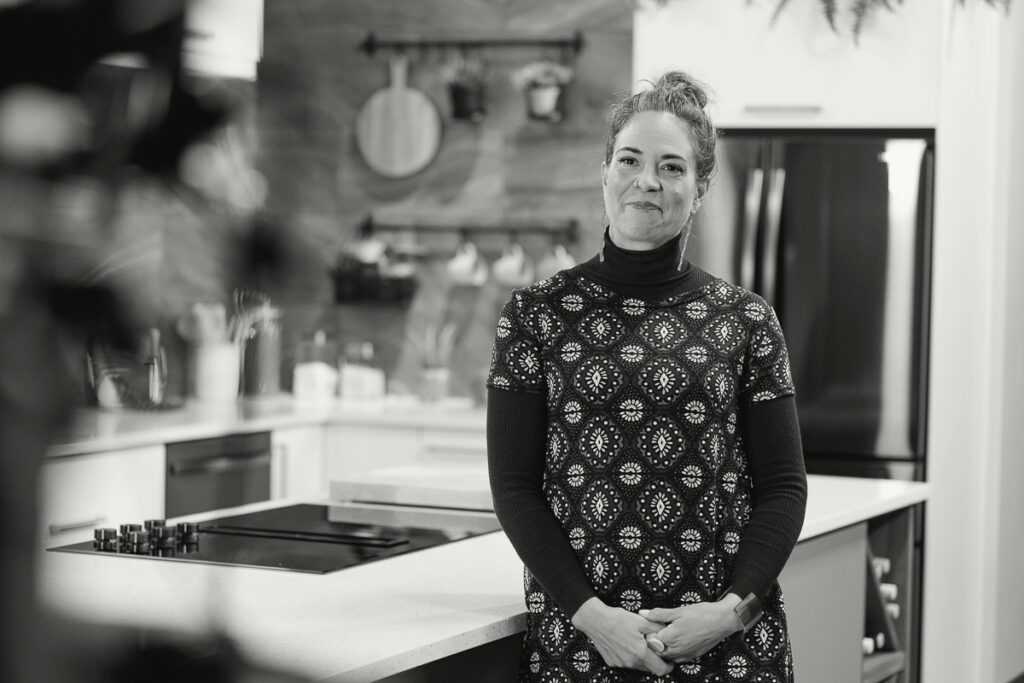
In the 29th episode of The Extensionists, co-hosts Jay Whetter and Toban Dyck are at Ag Days for our first ever live recording with media personality Dez Daniels. They talk with Dez about her childhood growing up on a farm in Ituna, Sask. At the time she wasn’t a big fan of farm life and wanted to get away, but now, looking back, she appreciates it.
Listen here:
Transcript
Jay Whetter 00:06
So we’re the extensionist. We do a podcast about agriculture, extension I’m Jay weather, okay? And I grew up in this part of the country. I went to high school, or all my school in Delray, Oak Creek. We live we Manitoba. Way out
Toban Dyck 00:21
Welcome to way out east. Yes, that’s how we read the rights in the Dubai east.
Jay Whetter 00:29
I’m not involved. Yeah, people turn this down. You’ve been decades before. I have
Toban Dyck 00:38
been dedicated before. Yeah, it is always, it is always an event getting here. And if every one of you know, like it’s always storming during days, there’s so many stories of getting here. It’s staff from Anthropocene soybean growers and coming in and managing their booth, and like, having to drive with my hazards on for two and a half hours to get here and then grab them back and, oh, I was telling Jay I was gonna say, it’s almost like, almost a little bit like triggering to come to the PTSD, a bit with it, with all the drive against storms. But I also want to be sensitive
Jay Whetter 01:12
to bikes, where you know something about so different from nothing that I get to say, But Karen says, and during tea and watch three years, instead of these big red chairs and policy that keep working in my comfort zone here, because it’s feel like I’m with my people, yeah, and there’s lots of relatives who pop I’d say I Know someone, and I’m related to a large extent it is.
Toban Dyck 01:43
So before we get into that, I think, you know, I think, I don’t think anybody here knows who you are, Jay. So why don’t you introduce yourself?
Jay Whetter 01:50
I have Jay wetter. I’m from Delray antoba. I’ve already Dan that. Actually, if people know where Dan is, and I think some people miss him, probably there you go. That’s the nerve sound I’ve ever had in I’ve ever had northeast days. Crowd was a little bit quiet this year. There’s not a lot of human beings, so it’s great data. So feedback from the audience. Thank you. How are you?
Toban Dyck 02:12
Toban? I’m Toban Dyck. I’m a farmer from Southern Manitoba, Wiggler, the Bigler area. There’s a few of us represented here, but, yeah, longtime communicator worked in the in the ag space for a long time with various commodity groups and and now, now do do a podcast one way on communications company for a forest group, which produces this podcast, which Jay introduced earlier, because Mike was on. But the podcast is really focused around kind of taking complex ideas and the people behind these complex ideas and and sharing that, sharing them with you. So the tagline is conversation, great conversations with thinkers and agriculture. And the idea is how we can all extend important information better. So that’s that’s our right. That’s our and when
Jay Whetter 03:05
you asked me about me, you wanted me to describe
Speaker 1 03:08
not what I did on a daily basis. I just did my war on propping, yeah, which I’m obviously quite proud of.
Jay Whetter 03:14
So I work for the coal Council of Canada. That’s my primary job. I told him that working on a few projects, including some training, and then I just started a job with I guess it’s a job, but I’m shadowing a class at the University of Idaho School of Agriculture with second year students there, and they’re all coming tomorrow and forbidding to hang on a daily basis. I’ll be with them. We should get on but absolutely so we’re going to introduce our guest, Dennis Daniels. And Dennis to make a familiar face for a lot of you who used to watch a great case of Manitoba and as actually grew up on farm here, I came in Saskatchewan, so we’re going to talk about agriculture. We’re going to talk about great case in Manitoba. We’re not going to talk about food and also empathy, which is a kid that I want regard to connecting with People before you try to talk about agriculture extension. I
Dez Daniels 04:29
commissioning, so maybe not PTSD territory, but yeah, it’s been that kind of a winter. I’m sure lots of folks have experienced this is like any major event or activity that I’ve had to do in the last three months has involved white knuckling for at least 50 kilometers, including a wedding I was officiating a couple of just before Christmas. But yeah, first 30k was a bit rough, but smooth sailing after that. So happy to be here. It’s been a bit since I’ve been brand new.
Toban Dyck 05:00
Are no but my parents floor matter in Arizona. Friends are here, so I use the term that I take his truck. Oh, sweet. I think it’s way we shouldn’t do the ag industry. Well, he’s in Arizona, so a two point truck. That’s why Albert
Dez Daniels 05:22
which I appreciated. Yeah. And about six kilometers into my drive, I was thinking about that offer and feeling a little bit foolish, we’re here. We’re here, yeah.
Dez Daniels 05:57
We are ready. You never ready? For iTunes? Well, I don’t know what
Dez Daniels 06:08
makes it scary. I mean, it’s, I think what makes it una wonderful is what makes every small town in, well, I’ll say Manitoba and Saskatchewan special, which is the people, right it, they’ve changed a lot since I was growing up. When I grew up, it was primarily a Ukrainian Catholic farming community, and it is still very much a farming community, and certainly some Catholics are there, and a lot of Ukrainians, but there’s a lot of other folks that have come from other places. It’s a very affordable place to buy a house, a really nice house, actually, but no, I mean, it was, it was a cool way to grow up. I didn’t think that way at the time. And I’m not even talking about iTunes. I’m talking about just being a farm kid, right? And I’ll be very frank and very honest. After milking cows morning and night, from the time I was about six until we sold them when I was about 17, it was like, I, you know, what else is out there, please. And was quite happy to, you know, take my leave. And now it’s truly, I would never, I would never trade that for anything like nothing, because I recognize it for what it is now, which is something very, I mean, it’s, it’s humble, but it’s also it’s, you know, super real, and it’s super beautiful. And I will never work. I’ve said this so many times. I will never work as hard as an adult as I did when I was a kid. Like, and I’m not even kidding, it’s not hyperbole in any sense. It’s like, really just the way it was. We it was hustle all the time. You know,
Jay Whetter 07:41
what was your favorite thing about the farm? Favorite thing about the farm,
Dez Daniels 07:47
springtime and going to milk the cows with my rubber boots and, like, you know, it’s sort of that in between winter and spring. It’s like, the little bit of ice that’s like, on top of the I haven’t thought about this for a while, but it’s like, you know, you can tap on it, and it’s like, Ooh, it kind of makes that sound and I actually was super fortunate, because it was a third generation farm, and so my great grandparents lived on that yard, and my grandparents were also there when I grew up, and so spent a lot of time at my Bob and Dido’s house as well. They were just right down the hill, right, but past the barn and to grandma and grandpa’s. It was, it was just the best way to grow up. Your the
Jay Whetter 08:24
rubber boots in spring just created an amazing visual for me, because when I think of the best times, it was also that spring melt, when the days are getting warmer and sunnier, and you put your rubber boots on and you’re walking down the in the ditches while the water is running. And we lived on a on a farm that had quite a few hills, so there’s always water running,
Dez Daniels 08:41
always places to go stomp around and make a mess. And yeah, it was the best right now, I’m gonna do it this spring. I’m gonna go back to the farm, and I’m because my parents are still there.
Jay Whetter 08:51
So well, Toban grew up in the flattest place in the world. Was there any running water in at all?
Toban Dyck 08:57
So my memory is in spring we had cattle, no dairy cattle, and I would come home from school and I would have to chore, so I’d have to wear in spring, especially hip waders, essentially carrying chop pails like this, oh yeah, smudging through and then filling, you know, spreading it in the troughs. And the cows, of course, are, you know, distant, except when you have chop pails and they just gather around you, they’re right beside you. And there were so many times I would just get so flipping mad at those things, because these 1000 pound animals would just like, come at you, right? It’s a good memory, but, you know, it’s a
Dez Daniels 09:30
little fraught. Then, how old would you have been when that was going on? Oh, like, you know, 1230 See, that’s the thing, you know. Like, you get started early when you’re a farm kid. And again, at the time it just had, really didn’t have much appreciation for it. But it’s kind of a special thing, you know. Yeah, it’s really special thing. Who, you know, you share that anecdote. And really, I think agriculture people, farm people would be like, I get that. You know, we all have a story involving like that, with hip waiters or some, you know, kind of animal thing.
Jay Whetter 09:59
Yeah, it’s. When? When did you decide that? So you’re milking the cows. Am I doing that right?
Dez Daniels 10:07
Sort of you’re about 50% there.
Jay Whetter 10:12
There’s milk all over the place. I’m not sure, but I didn’t really milk cows, as you can tell, obviously. When did you decide that you wanted to become an actress, actor? What do you call it? Not? Actress, fine, interchangeable.
Dez Daniels 10:29
Well and like, to be fair, I did not become one, but I you wanted
Jay Whetter 10:34
to be I did, and you were milking those cows. I gotta get it here and get to Hollywood.
Dez Daniels 10:38
Yeah, there was definitely, like, for sure, some dovetailing going on there. You know what? I always thought drama was kind of fun and cool, and then I ended up because I didn’t have a ride to my practices, so I auditioned sort of on the sly, and then my teacher was, like, really cool, and he let me rehearse at lunchtime. So I didn’t tell my parents until like, two weeks before the dinner theater that this was happening. So and then I ended up winning a really kind of a cool provincial Award, which was kind of a big surprise. And I thought, Oh, well, for sure. Now I can do this for a living, but didn’t happen, and I ended up in radio instead, which was, you know, obviously a really fun and nice sort of second thing, but you
Jay Whetter 11:17
have a face for TV or acting and you’re stuck behind Radio. Thank you. You’re welcome. Would you go at
Toban Dyck 11:23
the TV? I got
Dez Daniels 11:25
super, super lucky and got it. Got a chance to do that as well. So, yeah, great taste, that was kind of came out of absolutely nowhere. And, yeah, it was super fun.
Jay Whetter 11:33
I guess we should jump to great taste. We’ve only got an hour, and Abby keeps reminded me, actually, I can’t even see. Does anybody see the timer? No, okay, there’s a time. Well, there we go. We’re safe. Then there’s no limit, All right, great taste. Oh, so your radio days to Great Tastes. What significant things happened in that interim,
Dez Daniels 12:00
sort of like the overlap.
Jay Whetter 12:02
Anything notable that we should be talking about in your life, the life of DES.
Dez Daniels 12:06
Oh, boy. Life of DES. Well, there’s probably a lot of things that I maybe wouldn’t care to talk about. There’s, there was, there was some rough stuff. I had a hip replacement.
Jay Whetter 12:15
Is that where your angel wings got all turned?
Dez Daniels 12:17
That’s probably something like that. No, you’re talking about
Jay Whetter 12:22
this is, you were telling me about your angel wings earlier. Yeah.
Dez Daniels 12:26
We Yeah. Anyway, that’s a whole other aside. But so the question is, was there like, overlap between the radio and the TV thing, or is that, was that kind of what you were going to
Toban Dyck 12:36
maybe just kind of walk us through that trajectory of, like, you know, getting into radio and then that moved to TV?
Dez Daniels 12:41
Sure, yeah. So I was doing radio for many years, number of different stations in Winnipeg, and I’d also done some some voiceover work as well, so commercial work, and so the company that produces great taste called Frank digital, they were looking for a host, and because I knew the folks for the voiceover work, they said, Would you be interested in auditioning? And they never had a female host, and they were a little bit reticent about that, because most of the commodity experts are women. And so they thought, well, maybe this is just too much estrogen. I’m not sure. Mind you, I come from the days in radio when we weren’t allowed to play two female artists back to back, so that was a thing at one time. Can never have, you know, too much female, but anyways, auditioned and was successful at it. And so that was like, Okay, here we are doing TV now. And so it really did. It was just kind of an opportunity that presented itself, and I was just so excited. And just, you know, okay, here we go, something new. And it was just a fabulous it was like nine seasons that I was involved in. It was just great fun, you know, great fun and and learned a ton as well.
Jay Whetter 13:45
What did let’s review what great taste is. So what was, what was it all about?
Dez Daniels 13:50
Sure, so great taste of Manitoba. I think it was on CTV for 35 years. It was a very long running show, and basically it highlights Manitoba commodities products, and in more recent years, also really highlighted farm families, farming communities, and sort of put that more personal touch on it as well. And the show is still, it’s still being produced. It’s on, it’s online now, yeah. So, yeah, that’s kind of it in a nutshell. Just really celebrating all things Manitoba and the various, you know, incredible products that are produced here.
Toban Dyck 14:29
Yeah, were you involved in great taste at all? Did you work with did you do, yeah, like, within it, Manitoba,
Dez Daniels 14:36
Postgres, definitely. We were on the show at one point.
Toban Dyck 14:39
No, was never on the show, but I was part of, like, the planning sessions that we would talk about recipes. And we got, yeah, we had a chef, Gord Bailey, okay, we got him to come and do some, some pulse recipes. But yeah, we were, I was a part of it. If there’s anybody from the commodity groups here, it is a very much part of that, that fabric, for sure. Of Manitoba.
Dez Daniels 15:00
Well, it’s so much of the show. I mean, it’s all it’s like 95% of it is what happens behind the scenes, right? And they work so hard, the commodity experts work so hard to create these recipes and really highlight the product in the best way that they can. And so really, it was fun to help facilitate that. Yeah, it’s fun.
Jay Whetter 15:19
And, like part of the purpose of the extensions podcast is to talk about tools of extension and and we actually haven’t talked much about TV or even radio as ways to get messages out to farmers, or in this case, it was a city audience for the most part.
Dez Daniels 15:38
Well, it was carried on the rural network. And I think it actually still is, when I said CTV. So, you know, there were actually, this wasn’t just Winnipeg target, yeah, it’s a fairly broad audience. Actually surprised me. The folks that would come up and say, Oh, I watched the show with my mom and my grandma the other day. I’d be like, oh, you know, and yeah, it’s, it’s a, yeah, it’s, it’s, was available for for consumption beyond Winnipeg,
Jay Whetter 16:03
for sure, yeah, but how did it so? You said you did get some feedback every once in a while, but like, what would, what would be the motivator to use TV, say, instead of just like a magazine ad or a magazine article, like, what was, what was TV offering, in this case, that others mediums wouldn’t
Dez Daniels 16:22
visual, you know, it’s a it’s the ability to showcase in a visual way, not only the food and the sort of you know, what you ended up with after you finished that recipe, but the process itself, which people just love cooking shows, you know, they do. They’re so fun to watch when they’re produced well. And I have to say that Frank digital does an amazing job. They have their absolute pros there. The audio was always good. The video, you know, the quality of the show was really something that I was always so proud to be a part of. And it just looks great. And so they do these things called Beauty, you know, beauty shots. So the cooking portion of it was, you know, that was a part of it. But then we’d have to take, you know, leave the set, and then they would, they would be spritzing food with water. They would be setting it up, no, for real, like, it was, like, a huge part of it, and it’s an art form, and so it looked incredible. Looks great, like, if you watch it on YouTube, now, we’re on great taste. Mb.ca, I think is the site you’ll see the video is amazing if you haven’t had a chance. MB, dot, great taste. Mb.ca, unless they’ve changed it since I’ve been involved, but I don’t think so. Yeah, YouTube, great taste of Manitoba on YouTube.
Jay Whetter 17:33
Yes, YouTube is an amazing way to show how you said, like, visual how to do Sure, yeah, yeah. So whether it’s on like network TV or on YouTube, it’s the same principle,
Dez Daniels 17:44
absolutely, yeah, absolutely, however you choose to consume that video and wherever it’s available.
Toban Dyck 17:49
Yeah, in our notes, I think when Ashley interviewed you, initially, she has here, being on TV was a little bit performative. I think how you, how you had put it, sure, when you say that, what do you say that, what do you what does that? What does that mean? Because performative, yeah, if you, if you met what I think you, you did, then I want to kind of riff on that a little bit, yeah, yeah.
Dez Daniels 18:10
Well, I guess it’s a little bit like this. Okay, so we’re sitting here, and we all changed our shoes before we because I was trying, I tromped in here in my winter boots, and you all had nice shoes on, I don’t know, like, then they got even nicer. I was like, holy smokes. And you got some really cool socks.
Toban Dyck 18:24
That’s my face, and this is
Dez Daniels 18:27
Jay’s red ears. Where do I purchase those?
Toban Dyck 18:30
That’s unreal. Abby got them for us for Christmas. So you’re brilliant.
Dez Daniels 18:34
You’re like, the coolest person I’ve met recently. No offense. So you know, with with, with TV, obviously, it’s a visual medium, and so there’s a, there’s a certain way in which you have to carry yourself. It’s like there’s another dynamic or another sort of element to that presentation, whereas, in, you know, radio, if this was purely your, okay, so your podcast, which normally you record this on your farm, correct? You know, we’d be sitting there with our feet up and whatever, wearing our dirty T shirts. Not that we would do that, but we could if we wanted to. So that’s sort of, there’s like, this other energy that exists with TV that’s purely visual, right? And so, yeah, I would say that that’s kind of the Yeah. That’s sort of the main that was the question, right? It was sort of like, kind of, did I swerve around that wildly?
Toban Dyck 19:23
Did you sorry one sec? Did you like that, like, the performative nature of that form of communications? Was that a,
Dez Daniels 19:31
yeah, it’s fun, you know, it’s really fun. I would be absolutely exhausted when I was done. Sure, very different than radio, although that’s tiring as well, but there’s just a different, you know, you got to kind of take it up just one more kind of notch. And so it was great fun and very spontaneous in a lot of ways. But you really kind of have to be on your game, right? So, and those things that like, those, those episodes that we would we would film once we started cook. And there was no turning back, because you only have so many ingredients, and there’s only so much time. And we would shoot sometimes four episodes in a day. So it would be like, boom, boom, boom. So once you’re going, you’re going, so it’s like, okay, you’re just firing on all cylinders, or hoping you are.
Jay Whetter 20:13
Did you have any scenario where you had to, like, you totally burnt the pork chops and, like, you’re like, Okay, now what do we how do we do a Manitoba Pork promo,
Dez Daniels 20:21
yeah, yeah. No, they, you know, they’re just amazing in post production, like they have all kinds of ways, but, but I think it was actually Susan at Manitoba Pork where, somehow, I think it was a new like cooktop, and so something got turned up a bit on the high side, or it was on, and then they were doing some other things as we got a little bit late starting the segment. And then she put something in the pan, and it just like, it just like, not incinerated. There was a little flame going on. So, yeah, you know. But for the most part, it was all very well managed. And they, you know, they had that down to a science. After that many years of doing it, did not make the final edit, that little final thing. So, no, no. I think they took that out because ideally, you know, we want to encourage people not to set their kitchens. What was the worst thing? Here’s how not to do it.
Jay Whetter 21:10
There’s a tip. There’s a public service announcement embedded in there. Could it? Could have probably used that, yeah, what’s the worst thing that ever happened when you’re doing it?
Dez Daniels 21:19
The worst thing? Oh, I you know that might, that might actually be it like you’re trying, but like, the live,
Jay Whetter 21:25
say, just like, like, some fun little behind the scenes.
Dez Daniels 21:30
I don’t know well, Manitoba Liquor and lotteries used to sponsor. I don’t know how far we should go down that rabbit hole. Just leave it at that 30,000 imagine.
Jay Whetter 21:42
Yeah. So any, any tips for any like, if there’s an organization out there thinking about, you know, little, little snippets of video, or even even TV, like, things that editing wise or just performance wise, that makes a difference between something that’s effective as a communication tool or less.
Dez Daniels 22:01
So well, the editing part, I can’t speak to because I never really did. I wasn’t involved in that part of it. You know, as far as you know, any kind of interviewing or any any time that you’re engaging with folks, you know, I would say the most important thing is always to bring curiosity to it. And that’s kind of a cliche sort of comment, I guess. But I mean genuinely curious, you know, like, what? What is wire? Be curious about yourself, but also clearly about what the other person is there to talk about or to promote. And, you know, I think we’re all just generally speaking, we’re all starving to be listened to. And, you know, I think that applies regardless of whether it’s just a one on one conversation in what I’ll refer to as real life, or if you’re having a conversation, you know, for media purposes, or for video or whatever it happens to be. Because I don’t think that you can fake genuine. I think you can to a certain extent, but it, it really helps root everything, if you as the interviewer, because that’s really the you know that generally, I’m sitting over there. PS, I’d much rather be over there than over here. I’ll tell you right now. But if you bring a natural curiosity to it, I think that that always shines through. And I think that that’s true of any conversation that you have, you know, with anybody you know, because, and I catch myself doing it too, we’re thinking about what I’m going to say, you know, even before people are finishing, and that’s something that you know takes a little bit of practice to sort of bring yourself back from. So curiosity is hugely important.
Toban Dyck 23:50
One thing I want to pick up on also in the notes is it talks about you. You write every day. I do. So this is interesting. So I want to, I want to talk about this because it says you write for an hour every day. I do right? So years ago, like many, many moons, decades ago, when I decided I wanted to be a writer, and that was my entry into ag communications was in writing, I did the same thing. I said I would sit down and write for one hour every day, really? That for many, many, many years, probably 10, if not
Dez Daniels 24:26
more, starting from the time you were, like, would
Toban Dyck 24:29
have been early University, days like, 20, okay,
Dez Daniels 24:32
yeah, was this morning pages with from Julia Cameron’s book, the artists way,
Toban Dyck 24:36
from a book it was, and I remember I was just gonna decide I was just going to decide, I was just going to do it. I was going to become a better writer. And I still, I still come back to that every once in a while, like to to kind of reintroduce that routine. And I think, no Jay hears me talk about this all the time, how important those routines are, and how important, you know, we think of communications. And I think a lot of people might not. Be able to identify with communications, necessarily. But a lot of people in this audience, maybe are dealing with farm transitions and communications is so important between, like, you know, the exiting generation and the upcoming one, it’s kind of everything. These are, these are, these are things, and how important it is to practice that. So, yeah, I right away is resonated with me. I’m like, it’s very interesting, as I haven’t heard of anyone else who actually does the one hour thing, yeah. So you still, and you still do it.
Dez Daniels 25:28
I do, yeah. And there’s kind of different reasons. I would say the predominant reason is just, it just helps me, kind of, I sort of like, when I wake up in the morning, sometimes I and I know that this is true of other folks, and there’s kind of some science behind it. I don’t know what it is, but I think your cortisol rises in the morning when you wake up, and so I sometimes feel like a little bit of low grade anxiety when I wake up in the morning. I don’t know where that comes from. It’s always kind of been like that. And so I find that if I can just sit down and dump it all out, it’s very, very cathartic, and it feels it just calms me down. It’s like, okay, I’m gonna just take everything that’s buzzing around in here and I’m gonna just put it on the page, yeah. And so that’s kind of the main and it’s very, you know, I have my coffee and it’s quiet, and my son’s not up yet, and so, you know, it’s just a really grounding way to start my day. The work that I do professionally now, for the most part, is as a social worker, and so it’s very, very, very important to to for me to, you know, have ways to ground myself and to enter into my day and wait and feeling calm, you know, yeah. So that’s a large part of why I do it. And the other part is that, yeah, I’ve written, well poetry, mostly since I was milking cows when I was six. So I’ve kind of gotten away from that a little bit, and I want to do more of it. I want to do more of it. I’m sort of in a transitional phase in my life, and I’ve decided that that’s something that I want to try and do a little bit more of and see what happens.
Toban Dyck 26:58
Very cool, very, cool
Jay Whetter 27:00
for both of you. It’s like, what? What were you writing about? Were they so you talked about just kind of what was in your head at that time. But would you write about things that you could then use? Like, you know what this is? This is in my head. I’m writing all this down, if, and this is what creates some sort of tension for me, maybe I should go and deal with that today, like, was it ever, like,
Dez Daniels 27:23
an action? Sometimes, for me it is, sometimes organically, like, I don’t really have an intention for it. It’s just like, blah, what’s gonna just whatever comes out. And so sometimes there’s, oh, you know, maybe, like, you three pages, like, there’s the hour, some of that’s the creative work, but the, but the the sort of the mental dump that’s three pages. And by the third page, I find that if there’s something that I’m seeking resolution for that something, there’ll be some kind of insight. It’s kind of magic, like if you’re trying to noodle through a problem three pages, that’s what they talk about. And it really is kind of shocking, by the end, literally, by like, the middle towards the bottom two thirds of that last page. It’s like, oh, like, it’s really bizarre. So that kind of sometimes there’s like, okay, I can do that. Or, oh, I can think about this in a different way, or feel differently about it.
Jay Whetter 28:16
Do you think you think companies or organizations could use that as an as, like an exercise before a meeting or something. Yeah, like, just so write down everything you want to accomplish with this board this year,
Dez Daniels 28:30
and make everybody write three pages before you start meeting. It’s an option.
Jay Whetter 28:35
I’m just thinking of any sort of tool to create, get the creative juices going, or communicate in different ways. And I’ve never even thought about until you just mentioned it as maybe there’s something to that in terms of, like, clarify what’s going on inside a head, yeah. And then how to share that
Dez Daniels 28:49
with Yeah? They talk about it as a good exercise for people who, well, we’re all creatives, right, but for people who are sort of really channeling that. But why not? You know, it’s another way to Yeah, take what’s in here. Because sometimes it’s recur you know, we go over and over and over, and we kind of ruminate and things. And so sometimes, if you take it out of here and put it, you know, where you actually can see the words, sometimes it can create a shift. Yeah. Why not?
Jay Whetter 29:15
Yeah, yeah. Toban, what did you use your was it just practice writing?
Toban Dyck 29:19
Well, I think, like I think for sure that so I wanted to become, this is, you know, early days I wanted to become a journalist. I wanted to get into that, into that world. So it was a matter of honing a skill, but, and then I found there was a direct relationship between how much I wrote, how good I was and or not good I was. That sounds terrible, but, and it sounds terrible. Thank you. Clear writing and clear thinking. So even to this day, like, if I go back to rewriting now, and I haven’t written in a while, it’ll take a bit to kind of shed that rust. But as soon as you do and as soon as it starts to flow a bit, and as soon as for anyone interested, it’s really interesting, if you do it a lot, there’s that direct. One to one line between what you write and what you and how you think, and that’s a really kind of cool place to be. You feel like you can communicate kind of crisply and as clearly as you, as you can as a person, if you can get to that stage, and I’m sure you can, you can kind of find your voice too, I suppose, yeah. And it’s an interesting process, and like that, like I’ve talked about before, like that whole idea of practicing like, we talk about communications, we talk about effective communications. There’s nothing. There’s nothing that can replace actually doing it and trying it and like continuing to do it.
Dez Daniels 30:31
And, yeah, well, and that’s like, the other part of that, though, is that some people just are not like that would be hell for some folks, and it might not be very useful. But it’s an opportunity to, you know, to try and find a way to, as you say, refine whatever it is that you want to, want to say, you know, and in the context of connecting, you know, as far as, like, the sort of the your podcast and what it talks about, yeah, it’s an interesting, it would be an interesting experiment to do. All right, everyone brings into a cold sweat. It’s hard to try new things. I mean, let’s be real. I hate it. I hate it most of the time. Oh, and then I’m having fun.
Jay Whetter 31:10
So, yeah, cold sweat just what you want when you’re running aboard them all like, oh God, here’s Jay again with his hair brained ideas.
Dez Daniels 31:21
They’ll lower me, or, you know what? People might fall in love with it. Yeah, at
Jay Whetter 31:26
some point we need to talk about empathy. But I wanted to talk about drumming, which is totally like a, like a left turn.
Jay Whetter 31:34
We were talking about this about by that Amazon sprayer. We’re like in the Manitoba room. We were kind of got into our little circle, and we were gonna sort of miming some drumming, but, but I don’t know I like thinking of harebrained ways to start a meeting. I was at a canola Council convention. This is before I actually worked for the canola Council. I was covering it as a reporter for country guide, and it was in Victoria guide, country guide, yeah,
Dez Daniels 32:01
magazine, I remember that it was raised by the Western producer, yeah, my dad’s
Jay Whetter 32:06
besides, yeah, yeah. Well, they’re together. Now that’s this is that’s for another time.
Speaker 1 32:12
But so we all of these
Jay Whetter 32:16
canola Council, the attendees at this conference, anyone who wanted to drum could get up in a big circle. There’s probably 30 best in a circle, including, who is, at the time, the president of Cargill, Canada. And we just so we all sat down with these drums. I loved it, and I don’t think I’ve done it since, but there was, it was
Dez Daniels 32:31
so fun. But drums, the great leveler, yeah, let’s
Jay Whetter 32:35
start a meeting with Okay, we got, we got to write three pages, and then now we’re gonna sit in a circle, and we’re gonna start the new
Toban Dyck 32:44
techniques, everybody’s gonna do that?
Jay Whetter 32:47
No, AI required. Yeah, I love it. But anyway, so yes, there actually is probably some sort of question embedded in there somewhere. But what?
Dez Daniels 32:56
What is you want to know about the drum? Yeah? So, so here’s the story. I like. I’ve been a dashboard drummer my whole life, very pathetic, but I love it. And then when I was working doing the Q 94 morning show with Bo and Tom. Bo’s son, Eric, was in a high school band, and he was a drummer for about five minutes, and then he hated it. So then Bo was looking to recoup his loss on the drum kit, and so he said, Do you want to buy it? I said, Yes, I do. So I bought it and I took it home, and I moved it like between six houses that I lived in over the course of about 15 years, until finally, I was like, This is ridiculous. I’m selling these drums, because why? And then fast forward a couple of years. So my son is now. He was off living on his own for a bit. Now he’s back with me, which has been wonderful. And he is actually a drummer, like, he’s learning, he’s taking, you know, lessons, and that’s sort of his aspiration. And so just, sort of, like, in the last couple of years, had an opportunity to join the University of Manitoba drum circle, like, there’s the student affairs group that I work with that we have, like, it’s like an outreach thing for students and staff can join in as well. And it’s just been so much fun because sometimes thinkers, communicators, like, it’s really hard to shut this off, like, that’s what I find so often. And with drumming, it’s like, you can literally just shut that off, and it feels wonderful. It’s like running or something. It’s very physical. Obviously, it’s primal. And so I’ve enjoyed that very much. And actually, yeah, I’m starting drum lessons on Monday. Give us
34:29
a little sample underneath.
Dez Daniels 34:31
I was funny because when your theme your theme music was, I was like, I was like, oh yes, so no, maybe next year, or it’s some, some year that’ll be egg days, yeah, yeah, but, but I Yeah, so I don’t know, does that answer the question that you almost asked?
Jay Whetter 34:49
I’m just looking for an
Toban Dyck 34:58
anecdote. There you go. Yeah, you wanted to talk about empathy, yeah, we have 1314, minutes.
Jay Whetter 35:07
We have a timer. Good, holy smokes. Oh there, yeah. I mean eight minutes to talk about empathy, then five minutes to
Toban Dyck 35:13
close, yeah, you just got to get into it.
35:15
Yeah, perfect. Oh, you can blow.
Jay Whetter 35:22
I like, I never really thought about how important it is to, I mean, it seems obvious you want to connect with a person before you deliver anything really like, if, like, extension is about extending knowledge, right? So it’s a new farm practice and new research, some new technology, new technique, and an extension. Traditionally, a farmer might come with a problem, and then you say, oh, try this, try this, try this. But, and I just, and I’ve been doing this journalism thing for a long time, and I’ll write an article about how to do a practice, but I think it’s this face to face, where you and then, but then you get to you can try to make a connection with a person, and then see if whatever idea you have actually might work. And we’ve had two guests on the extensionist that are really memorable for me, in terms of kind of thinking through how that might work. And Tracy Herbert, who works for the beef I can’t remember exactly. It’s a beef Research Council out of the prairies, and Tracy lives in Saskatchewan, and she said, like, the key number one step in extension is empathy, and it was the first, this isn’t a new thing for anyone involved in extension, but it was the first time I’d heard it put so succinctly, right? Yeah. And framed them. So I thought, wow. Okay, yes, so we need to connect and then offer, and then the other person we had on this. I’m kind of rambling a bit here, Toban, I’m sorry, but Yolanda Jensen from the Netherlands, yeah, Wasn’t it good? And so Yolanda was talking about, you know, just how to, how to have that conversation about, about a practice, a new practice, or any sort of behavior change, and, and, and just kind of outlined that those empathy steps. So I want to know what for you, like, you know me and my, my three minute ramble here, like, what did that make you think of like, it’s, do you with someone trying to get something across to someone, or make like, how do you how do you start making that connection?
Dez Daniels 37:29
Well, the work that I do now at the university, I work at the Sexual Violence Resource Center, and so we support folks who have been impacted by sexualized violence, and that can look a lot of different ways, gender based violence, and so just through that lens, and my role there as a case manager is, I’m often there to impart information and to support people who are looking to engage certain academic processes, so whether that’s having grades removed from their transcript or whatever. But before any of that can happen, and I’ll even maybe take it a step back yet, so there’s empathy and but even before that, so I listened to one of your other podcasts with, oh, I’m forgetting the gentleman’s name. It was about mental health. Oh, Jerry Friesen, yes, yes. And so talking about, you know, what do I do if somebody is struggling, or if I suspect somebody is struggling with, you know, depression or anxiety, these kinds of things. And I was like, I was listening to the podcast, and I was cleaning, and I was like, you just have to listen. Like you just have to sit. And so you did talk about that, and talked, you know, kind of about that. So it’s really, as far as you know, I’m concerned, it’s the energy that you bring. And people are sometimes really stressed about, how do I how do I help? What do I do? And, of course, as humans, we want to for helpers. We want to help our friends. We want to help, you know, folks. But really it’s, it’s sometimes the best thing that you can do is help someone co regulate just by showing up. And it’s like, we’ve referred to it as holding space, and so I’m really here with you right now, no matter what you say, no matter what you do. And to me, that’s sort of the seed that empathy blooms from, right? It’s like, because we’re always so concerned about, how do we fix, how do we do, how do we share? And that comes, you know, like, there’s often opportunities for that to come, but it just, you know, it’s really just about like, I’m here with you right now, and no matter what happens, like, you know, I’m with you, right and so that’s not exactly what you were talking about, but it’s just like, you know, the thing that I really took away from that was when listening to that podcast was just like, you know, his pure desire to be helpful and and, you know, further to that, just sometimes doing nothing is the best thing that you can do, you know. And it sounds like is, it makes me so angry sometimes, like when, but it’s, it’s really, that’s really, the thing is just to take that. Step back and just like I’m here, I give you all of me right now, just the energy and we co regulate as human beings. If you’re sitting with someone and you’re genuinely calm and you’re genuine, genuinely there, there’s a co regulation that happens automatically. It’s quite astonishing. Actually, there’s all kinds of research on that.
Toban Dyck 40:19
I think it’s interesting, especially for, like, a farming audience, and back to this transition planning like so a lot of people will be in the throes of some form of it, where there’s two generations working on a farm and like that, that listening, that empathy thing, is such a big, a big part. And it’s a, I see it time and time again. It’s a huge challenge for large farming operations where one of the generations or one of the people involved is unable to have space for another person in their operation, right? And it’s, you know, it can be very top down. It can be very, you know, there’s all these hierarchies, but there’s none of like in some cases, there’s not. There’s no this CO regulating. There’s no and I think that’s a really important thing for you know, anybody here who, like, hasn’t thought about empathy or tried to kind of really bring it to their own operations or lives, that, yeah, and it’s a real thing.
Dez Daniels 41:17
It’s a worthy goal, I think, with succession planning and things like that, like the other complexity there is that there’s so much about identity that’s connected to that, right? And so there’s that sense of, I want to protect my side as well, or how I see it, or how we’ve done it. And so it’s but it’s a worthy it’s a worthy goal regardless of the enterprise, I think, whether it’s interpersonal or work or, you know, with our colleagues or our neighbors or whomever, you know, yeah, I’m here for you. I’m listening to you right now. You know,
Jay Whetter 41:44
how do you start that conversation? Do you wait for the conversation to come to you? Or are there scenarios where you really feel like that there’s a conversation that needs to happen and then you have to
Dez Daniels 41:55
initiate what like within a work context? Or because it varies, talked about,
Jay Whetter 42:00
I guess. I mean, succession planning is work, because the farms are workplaces, but, but, yeah, maybe any scenario.
Dez Daniels 42:06
I mean, that’s a tough one, right? Like succession planning. I, I mean, I, you know, without going into a lot of detail, I mean, that’s something that my own family is engaged in right now, and it’s very complex, you know, you know, as for how you sort through that? I, yeah, that’s a great, great question. I don’t, I don’t have an answer to that, particularly if the answer is or if the question is more about, how you know, do we like? Are you asking?
Jay Whetter 42:31
Yeah, no, right, no, I’m not asking. How to Start a succession planning conversation. Please know, what do we do? If you don’t do that to me if you think a tough conversation needs to happen, like, how do you enter in in a way that just kind of recognizes we’re not going to solve all these problems right now, but I’m just like, I’m just like, what’s the what’s a safe entry point where people aren’t going to get up and leave her.
Dez Daniels 43:02
Well, you can’t really control what the other person is going to do, right? I mean, the thing that I try to do is be present, like fully present within myself first. So I do a lot of grounding stuff. I meditate a lot, like in meditation, that sounds very lofty, but sometimes meditation is literally just taking a conscious breath in, holding for a moment releasing and just being in the body for a moment. Because, again, our brains are so busy, we can orient ourselves to our bodies. That’s a great starting point. And then also, again, just to be curious. You know, you know how you feel about things most often, but what does that person what are they really thinking? Sometimes we make assumptions about what people want and what they’re thinking and how they’re feeling, but, but are they really thinking, feeling that, you know, and so being curious and just there’s always, I think sometimes depending on that conversation too, there’s a defensiveness, or there’s the desire to, you know, I want to impart to you that this is the way to do things, but is It really, you know, and ultimately, you can’t control how other people are going to respond. That’s, you know, like, that’s, that’s really the tough thing in life, generally, is like, wish we could control everybody’s reactions to this is, please do what I want everyone all the time, you know? I mean,
Jay Whetter 44:15
I just think about advice. Is that people don’t necessarily want advice and unless they ask for it. And maybe it’s the same about imparting wisdom. Like, is there a time and place for imparting wisdom you just wait for an opening? Or when you’re asked a specific thing about that, is that the best strategy, even, like, I’m just thinking of family dynamics, even like, when do you impart wisdom and when do you just wait?
Dez Daniels 44:39
I think that if there’s been some rapport that’s been established and everybody is kind of in a place of calm, sometimes you can test the waters a little bit on that, but you’re never 100% sure how that’s going to land. I feel like, you know, there’s like this, okay? Like, there’s got to be a way to do it that is not going to ruffle feathers. And I don’t know that that’s necessarily always possible. But. I think a starting point is, Are either of us activated, you know, in whatever way? And the more communicating you do, the better you become at figuring out when people are somebody kind of poed or, you know, that’s not the time to be introducing anything. But so just, I think if everybody’s calm, it’s that’s a good place to start.
Jay Whetter 45:20
And this. So if you’re ever activated, do you do you pause and let’s say, let’s do this again another time. Or do you just work with clients?
Dez Daniels 45:29
No, with you know, but certainly in personal conversations, absolutely walk away from a conversation. Sometimes that’s the most respectful thing to do. I think it’s, I think it’s a show. It’s being respectful to myself and to the other person as well. I can’t bring my best self to this right now. You know, it sounds a bit silly, but it’s true, sometimes you get to take a step back, a big step back.
Toban Dyck 45:53
We are running out of time.
Dez Daniels 45:56
How did that happen? Whoa,
Toban Dyck 45:59
I would like. Would you be able to conjure, like your favorite pulse recipe from your time with great taste?
Dez Daniels 46:06
Right? Oh, favorite pulse recipe? I know I have some, because I did actually print a lot of those recipes, just overall, favorite one. That’s a That’s a tough one, that’s me on the spot.
46:21
That’s fair. You have a favorite pulse recipe. Oh, geez,
Jay Whetter 46:30
actually, so I want, did you actually want me to answer that?
Dez Daniels 46:34
Actually, okay, there was a barley sound. We did a couple of, a couple of which I think was under the pulse umbrella, yes, and it was, it’s delicious. It’s absolutely spectacular. I’ll text it to you. Yeah, really, really good,
Toban Dyck 46:49
right on, yeah, you don’t
Jay Whetter 46:52
want my recipe. No,
Dez Daniels 47:00
I’ll text Toban mine. You text me. I think we got
Toban Dyck 47:04
to do our closing now quickly. I
Dez Daniels 47:06
think you’re getting activated. It’s probably
Toban Dyck 47:09
to pretend we’re not here. Talk about our conversation with you.
Jay Whetter 47:14
Well, that was fast. That was very fast. Yeah, yeah. And what was your takeaway from the conversation with this I
Toban Dyck 47:21
was really frustrated that she couldn’t remember her favorite pulse recipe. It’s your Yeah, you’re setting that up. I was gonna say, no, no, tell me your favorite canola recipe.
Jay Whetter 47:32
Yeah, I’m agitated right now. Walk away and just let you close this podcast. All right, no, okay, what was your takeaway?
Toban Dyck 47:40
I mean, I mean, I do like, I do like the conversations we’re having about about empathy and communications, as kind of as heady as that stuff is, and as as impractical as it may seem for an ag audience, I think we need to kind of keep talking about it like, I think we need to keep that and, you know, mental health stuff. I think these are important issues that more people than we know, and that more people will be publicly comfortable sharing deal with on a regular basis, whether it’s succession planning or just regular communications with peers, colleagues, whatever. I think that’s a really Yeah.
Jay Whetter 48:16
I think that’s a thread we need to we need to continue. And I appreciated that, yeah, that part of the conversation. Well, my whole conversation, my takeaways are, I want to do that drumming thing again. This something about, just like, you know, that beat that kind of just gotta get, see, gets here, kind of settles your mind down and gets your brain thinking in different ways, and the writing, like, I am so bad at routines, like I couldn’t do the same thing every day for even, like, three days in a row. So, so writing a journal every morning? Yeah, I would have a hard time doing that, but I can definitely see the value in just like, expressing what’s in your head, getting it on paper, or even practicing the craft of writing. Yeah, I don’t know. I guess
Jay Whetter 48:56
that’s try writing some time. Jake, yes, I guess that’s why. I guess that’s why I’m doing a podcast and not I guess.
Jay Whetter 49:06
Anyway, we should wrap. We should, we should. It was a good we are the extensionists. I’m Jay wetter and I’m Toban Dyck. Until next time, this has been a burp forest group production,
Toban Dyck 49:18
we also want to thank the people working behind the scenes to make this podcast happen. Abby wall is our producer and editor. Ashley Robinson is our coordinator, and Michelle Holden is our designer. Abby.