
Episode: 34
Cees Leeuwis
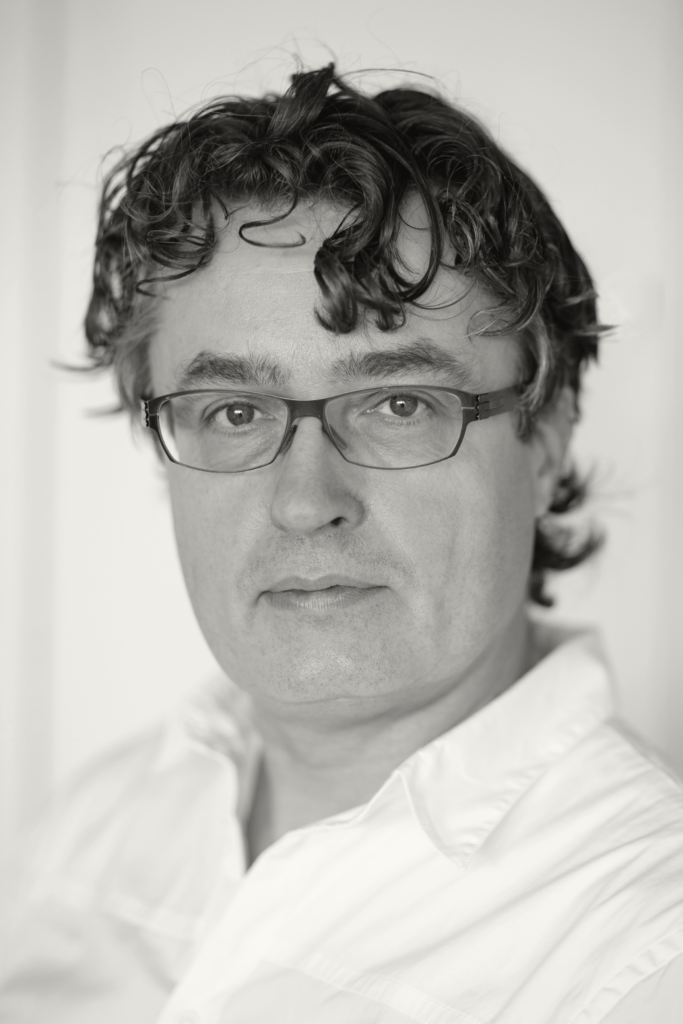
In the 34th episode of The Extensionist, co-hosts Jay Whetter and Toban Dyck chat with Cees Leeuwis, professor of collaborative research, communication and change at the Knowledge Technology and Innovation Group at Wapeningen University, about the role of research in transforming agricultural extension systems and strengthening coalitions.
Listen here:
Transcript
Toban Dyck 00:00
Hi, this is the extensionist conversations with great thinkers in agriculture. I’m Toban Dyck and I’m Jay Whetter.
Jay Whetter 00:15
Hey, how do you organize your thoughts?
Toban Dyck 00:19
Oh my gosh. So I variety of things to notebook, yeah, and I have like, you know, iPad, and I have like, a, like, an E Ink pad, and I have Word docs all over the place on my my desktop. I mean, it’s, it’s a real thing. It’s a real and I think, yeah, anyway
Jay Whetter 00:36
Do you want to know how I organize my thoughts?
Toban Dyck 00:38
I feel like everybody listening to this podcast. Wants to know how Jay Whetter organizes his thoughts.
Jay Whetter 00:46
So I have two whiteboards in my office, yeah, and I I have tons of documents.
Toban Dyck 00:52
Are they affixed to the wall?
Jay Whetter 00:53
One of them is and of them is kind of a little too loose. When I write on it, it flops around it, so I want to nail it to the wall too. But one four by six-foot whiteboard wasn’t enough, so I had to scrounge around the office and get another one. But it just, it’s a good way for me to see what I need to do and what I need to work on. And one of the things that we’re talking about at the canola Council is, sort of, is innovation, yeah? Which, like, is a word that. So, whenever I say innovation, okay, no, no. Like, let’s be specific. What are we talking about here? And so that that’s exactly what I need to do. So, I’m kind of writing down some of the innovations that I need to be thinking about for canola growers and the canola industry in general, and I’ve got it on a whiteboard now, but I think it’s it. It relaxes my brain, knowing that with all everything swirling around in my brain, at least I’ve got my whiteboard.
Toban Dyck 01:44
Oh no, I’m fully there. I mean, it’s just like lists in the in the morning. It’s so bizarre how that even just writing down all the things that I have to do, and the list is, like, intimidatingly long, right? But even the act of writing it down, you just feel like, not that you’ve done it, but it’s just like, Huh? I don’t have to carry the burden of remembering it right now, right so. And I remember years ago when I started a online newspaper here in Winnipeg, when I lived in Winnipeg, to map it out. I was living in Toronto at the time, I had a whole wall of our apartment, and I got those sticky notes that are like the size of a piece of, like an eight and a half by 11. So, there are these, you know, big, big tiles. Essentially, I stuck to the wall, and I would write ideas on them, and I would put them on the wall. So, the whole wall was full of these multi colored post it notes. And then I could move them around. And I really like the visual. So, you step back and you just kind of look at, kind of, you map out what this, you know, what the, what the directory of this online news site is going to be, right? Or, you know, yeah, so I think whiteboards. I I’ve actually thought for our podcast studio heat of getting two whiteboards, one on either side of this window that you can’t see, but, but I think that would be really interesting.
Jay Whetter 02:54
So, you found that, okay, yeah. I just, I mean, we’re going to talk to our guest Cees Leeuwis, about process, yeah, and I just kind of made me, made me. I don’t know what he’s gonna say, but it just in my mind, one of the key parts of my process now has become this dang whiteboard, which sounds so retro and the markers stink, which is a bit of a problem,
Toban Dyck 03:17
but probably effective.
Jay Whetter 03:21
Anyway. Let’s, let’s talk to Cees.
Toban Dyck 03:24
Wait, actually, the only thing I would have added on that is, you know, some sometimes process people that’ll think it’s your case, but in your scenario, but some people who kind of come to processes later, and I went through this where I just got too in love with processes as like a concept that I never moved past it. So, you just kind of always like the process, process, process, and never like, what is this process actually for? And you actually kind of got to be able to move through a process where you don’t think about process anymore. You’re actually thinking about results. So, or, you know, whatever, but you just get too excited about process. So, everything is just process. It stays in that like it stays in that area where you just always analyzing process. But before we start today’s interview, we want to thank our episode sponsor, Manitoba Pulse and Soybean Growers.
Jay Whetter 04:28
Stay ahead of the season with the bean report. Your source for timely infield insights from the production agronomists at Manitoba Pulse and Soybean Growers,
Toban Dyck 04:37
Whether you’re growing soybeans, dry beans or peas, the bean report delivers what you need to know when you need it.
Jay Whetter 04:43
Each issue is packed with updates on crop conditions across Manitoba pest and disease alerts, agronomy tips, weather impacts and management recommendations straight from our field agronomists
Toban Dyck 04:54
To subscribe visit the Manitoba Pulse and Soybean Growers website at manitobapulse.ca and sign up with your email to receive the bean report directly to your inbox.
Jay Whetter 05:14
All right, welcome. We have our guest today is Cees Leeuwis, and Cees is what Professor of collaborative research, communication and change at knowledge, technology and innovation group at Wageningen University in the Netherlands. That was a fairly long title case, but we’re so glad to have you with us. Toban actually met you well in Guelph or heard you? Heard you speak?
Toban Dyck 05:39
Yeah. Let’s, say that.
Jay Whetter 05:41
Yeah, so how did that? How did that go? What was that meeting like?
Toban Dyck 05:44
I mean, the onference itself was, was, was, was fantastic. And I really enjoyed what you had to say at at the conference, just kind of, I mean, even the stuff that we’re talking about before the recording started here, just chatting about the systems and kind of your very kind of thoughtful, kind of intellectual approach to to extension is really kind of, I like it, and I think we’re gonna, we’re gonna dive into it right away.
Jay Whetter 06:11
So, but first you have to talk about skating.
Toban Dyck 06:12
Oh, first. So, we got to talk about skating first.
Jay Whetter 06:16
Skating. Yeah, skating like speak well, I mean that everyone knows, having just watched the Olympics, how good the Netherlands people are at skating.
Cees Leeuwis 06:27
Okay, I, I thought you were talking about scaling, which is, you know, like extension, yeah, started off with adoption and diffusion of innovations, and now everybody’s talking about scaling, but skating, yes, skating is a great sport, yes. And Canada is quite good at it too.
Speaker 1 06:47
Fair. Yeah, we are, for sure. Yeah. We often meddle in it. Yeah.
Jay Whetter 06:50
I live on on one of the rivers in Winnipeg called the Assiniboine River. And there, right now, today, there’s a skating trail, seven, 6.8 kilometers of skating. And then you go down the Assiniboine and then, and then down the Red River. So, there’s two, two main rivers in Winnipeg, and we can, there’s a big, long skating Trail, which is quite enjoyable.
Toban Dyck 07:14
Have you done it? I have. So isn’t it one of, like, the longest in Canada, or it’s got to be now, it has a title, yeah, when they have the full-length ground, it carries, carries a bit of weight to it.
Cees Leeuwis 07:27
But I don’t want to spoil your you know, like six, seven kilometers thing like, but in the Netherlands, we have this, this race. It’s a 200-kilometer race, ice skating race. But unfortunately, it’s only happening once every 20 years or so, because climate change, climate change is kind of spoiling it. But we have all these, these, this province in the Netherlands, which is full of canals and lakes, and when there’s a serious frost, you know, you can skate on it, and you we have these big races with where 1000s of people and participate, amazing.
Cees Leeuwis 08:09
Yeah, for 200 kilometers.
Cees Leeuwis 08:11
Yeah, 200 kilometers across 11 Cities. It’s called the 11th city ice skating tour. And the guy who won it won the race in 85 and 86 he moved to British Columbia. He’s a Dutch farmer who moved to British Columbia and now has his own dairy farm over there, including an ice skating ring, I think a natural one. Yeah, for but I’m jealous that you’re you’re, you’re, you’re able to skate right now, because here we have had a bit of frost, but but no serious ice on the lakes or the canals.
Jay Whetter 08:49
Well, that is it is coming here to maybe not so much Winnipeg, but Ottawa, our capital city, they often skate on the Rideau Canal. But two years ago, they couldn’t skate at all because it didn’t freeze enough. And I think there may be skating a bit this year, but yeah, there’s, there’s the season for skating in Ottawa on the canal is greatly diminished, sometimes right down to zero, yeah,
Toban Dyck 09:13
yeah, yeah, no, it’s a lot of fun. Do you skate Jay?
Jay Whetter 09:19
I have Yeah, well, I didn’t. I skated two or three times on the river so far this year. Oh, yeah, yeah, yeah. So, if you do the complete circuit, it’s 13 kilometers, 13 point.
Toban Dyck 09:29
yeah, yeah. It is nice, fun.
Jay Whetter 09:33
Not 200 though.
Cees Leeuwis 09:36
No, it’s I did it twice, that three, three times, but I didn’t finish the first time I tried.
Jay Whetter 09:43
And do you stop at each town and stay overnight and have a drink? Or do you do the whole 200k in one day?
Cees Leeuwis 09:49
No, you have to do it in one one day. That’s amazing.
Toban Dyck 09:55
Yeah, ultra marathon for skaters. Yeah, it is. Know, so
Cees Leeuwis 10:01
I they do it in six and a half hours. Well, that’s the race, the professionals.
Toban Dyck 10:09
Okay, oh, geez, all right, yikes. That’s, that’s, that’s wild. My wife and I did a, did I? I mean, they call it a triathlon, on the, on the on the on the on it’s called the beat the cold triathlon in Winnipeg, very short distances. It’s a five-kilometer run, five-kilometer bike and a five-kilometer skate all along the Assiniboine and Red, Red River in the heart of in the heart of a, you know, routinely frigid winter. So, it’s super cold. And it was like the day that we did it, it was a few weeks ago. The winds were just, I was like, winds were crazy, even for just pedestrians in the city. People were talking about the winds. And then when we skated down, the red so the one it was there and back wasn’t the loop. We skated to the end point, and it was against wind, and you could just barely move. But then on the way back, because the wind was on our backs, and it was so strong, I was scary fast. I didn’t even have to move, and I was just like, just flying down, down the river.
Cees Leeuwis 11:13
Yeah, great. It sounds great. It makes me sad that it has taken such a long time? Yeah, yeah, because the 11 did this ice skating tour is now 28 years the last 128,
Toban Dyck 11:29
years ago, I think, is that right?
Cees Leeuwis 11:30
Which is a wreck, which is a record? So, so, so, so it’s been held like about 25 times since, since, since the 1900s or something. So, on average, every 467, years, but, but in the past 25 years or eight years, we haven’t been able to organize the tour.
Toban Dyck 11:48
So not to get hung up on this. But, yeah, every year, is there a like? Is there a committee? Is there a group that’s just kind of waiting that like, they’re ready to, ready to put it?
Cees Leeuwis 11:59
No, they’re fully prepared, you know, they’re stand by every winter, and they’re, they have all these, yeah, what do you call it? Plans and safety plans? And, you know, it becomes, every year, it becomes bigger because of stricter rules and legislation and all that stuff. So, they they’re, but they’re, they’re they’re prepared. They’re the those people that are supposed to watch the quality of the ice. They’re being trained every year. They have meetings every year there, if, because they have to be able to to organize, you know when, if it starts freezing, they have to be able to put the whole thing in motion in a week’s time.
Toban Dyck 12:43
Yeah? Wow. What is the what is it called? What’s the race called?
Cees Leeuwis 12:49
It’s 11 city ice skating tour.
Toban Dyck 12:51
11 city ice skating tour. Okay, I bet there’s some great videos on YouTube. Oh yeah, oh yeah, I’m gonna look it up, yeah.
Jay Whetter 12:59
And while you’re looking that up, you’re gonna jump
Jay Whetter 13:03
to the next topic. So, Cees you
Jay Whetter 13:04
wrote a manual on agriculture extension, or you, you’re you updated it, let’s be let’s be clear, but exactly so it was written, first written in the 1970s Yes. Is it a is it a publication of Wageningen University or the Dutch government,
Cees Leeuwis 13:23
Yeah, well, it’s, it’s not published by Blackwell. The first editions were written in Dutch, then by Professor Anna von Toban, who is Anna von der Bannon. He was the one who sort of established the field of extension studies in the Netherlands, which was in 1964 and he wrote, originally a Dutch book, and then later had an English version with Blackwell science. No, yeah, yeah, Blackwell So, but it was an old Wageningen book, yes, and I and Anna von der bonne, yeah. So, I, you know, I was born, I was barely born when he, he wrote his first book, but, but I studied sociology in Wageningen, became familiar with the work of Van der which of and the thinking, of course, in that department of agricultural exchange and studies has evolved considerably so. So, he is a very generous man, and he offered me that I could sort of write the third edition of his, of his book. He did himself. He did two editions and but this is quite a while ago, right? But the book did. I rewrote the book in the you know, in the newest version was published in 2004 and then an electronic version was published in 2013 so it’s already quite a while ago.
Jay Whetter 14:54
What we want to get into is how Extension has changed. I. Even from from 74 to 2004 and then even, obviously, now from 2004 to present. So, in your experience in writing this book, what would you say are the significant changes in the way we approach agriculture extension?
Cees Leeuwis 15:17
Yes, so, so when agricultural extension started, it was very much, you know about the word, the word already says that extending the message from the university to practice and practice was farmers, right? So, so the idea was that there’s all this knowledge and technology and new ideas developed in science and they and the idea was to extend it into society. There was a big concern with how messages and technologies from science get diffused into society. But it was very much. The focus was very much on, you know, knowledge transfer, technology transfer, for an enlightenment, right? In Dutch, the term extension literally means it’s for lifting. It literally means holding a light in front of somebody, kind of assuming, assuming that that person is in the dark, and that we as scientists are in the light, right? So, it’s kind of a pattern, a bit of a paternalistic flavor to it.
Jay Whetter 16:27
Can you say that Cees, what does that word again in that
Cees Leeuwis 16:32
for lichting, it means Yeah, holding a light in front of somebody, literally four lichting, yeah,
Jay Whetter 16:45
internalistic, yeah, yeah,
Cees Leeuwis 16:47
A bit paternalistic, and science thinking that they know it all and that and that farmers, of course, We discovered that so So over time, you discover that that many messages and ideas that are communicated from science to practice do not really land, right? So, farmers have all sorts of considerations to do things differently. In a lot of African countries where I work, you know you have Western scientists coming with Western ideas and western values all about, you know, maximizing production and maximizing profit, you know, and trying to sell their IDs through extension in African countries. And these messages did not fit at all sort of, you know, the context in which they were supposed to be used. So, farmers had different logics, different values, different experiences, totally different situations. So So increasingly the the thinking and extension. The first period was sort of, you know, how do we get messages across? How do we communicate effectively with farmers, so that they, you know, they do what scientists think is good to do. But later on, we started realizing, you know, how can, how can research and scientists, how can they start to produce more relevant messages for farmers, right? So, we the focus shifted from towards commuting, the other communicating, the other way around. So, how can we use experiences and ideas and values of farmers to inform researchers about how they can improve the relevance of their research, right? Yeah, so we came to look more as not a one-way street from from research to extension to farmers, but a two-way street, you know, also from farmers back to research, and increasingly, so we can look at that as a system, right? So, you have a system of researchers, extensionist farmers, and later on, also, you know, policy, the private sector, the value chain, parties and how can they? How can you organize communication within that system to to make the system more resilient, or to make it improve, or to improve the outcomes of that system? So that was kind of, you know, over time, extension developed into how to manage this innovation system, or the system where farmers, researchers, policy, etc, interact to improve the system. So that was sort of the second wing and but, but now we’re, we’re, I think we have even gone a bit further because we realized that, okay, we in the Netherlands, we have a very strong system, or we had, I must say, we had a very strong system with very strong interaction between farmers, policy, research, etc. But we have ended up with a. System that has a lot of negative side effects, right? So, the Netherlands is a very small country. It is the second larger, largest exporter of agricultural produce in the world, and it has huge environmental problems with water pollution, nitrogen pollution, biodiversity degradation. I can explain more about that, but the system is really in crisis. So, so now, now the question is much more, how do they transform the system? How do we change the logic of that system? And that, of course, in African settings, that is also the case. You know, the in Africa, there’s still a lot of poverty and disease and problems which are which are not sort of accidental, but they are kind of reproduced by how the system is organized. So, if you, if you really want to develop agriculture, you need a transformation. Rather than just better interaction, you need to change the logic of the the system. So So we have now, and that’s also where the term social or institutional innovation come in. If you want to change the logic of the system, you do not only want to change farmers, you need to also change the value chain, the supermarkets, and especially the interactions between all these players and and the way that the logic through which they interact.
Jay Whetter 21:30
So, so we’re now, yeah, yes, well, I just wanted to know if we’re because I get, I get the sense, maybe in Europe, that this is, this is kind of a lead up to a question, but I feel like we’re back in a situation where the government wants to do these things for the system, and it’s, is it coming back to a paternalistic style, where the government needs to address all those issues you listed, and then they’re kind of pushing an agenda on farmers?
Cees Leeuwis 22:01
Oh, yes, so, yeah, they’re trying. Well, they they’re pushing. They’re not using extension anymore, because the Dutch government has completely privatized extension, right? So, the government, you we used to have a public extension system, which worked very well after the Second World War, where, where the whole mission was to improve food product, to increase food production, never hunger anymore, as in the Second World War. So, we had a Europe. We had the European Union. We had guaranteed prices. We had land rent reclamation. We had massive government intervention in extension and research, and so, yeah, the government very effectively supported farmers in a particular direction. But then, then all these negative side effects started to occur, and and the public, the Dutch public, said. Why are we paying farmers an extension, you know, more or less to destroy the environment? That was kind of the perception there was no no longer a political agreement that that the direction in which agriculture was going was desirable. So, so public support for things like public investment in extension kind of disappeared. There was also the times of Margaret Thatcher and Ronald Reagan, which was all everything was supposed to be done by the market. So, extension actually was completely dismantled. Public extension was dismantled, and now we have only private extension. So, what the government now tries to do it. Tries to regulate, right? It’s, it’s, if we have environmental problems, we the government is trying to, well, to regulate farmers. Basically, it’s so putting ever stricter regulations, but by which actually the government makes farmers responsible for problems that that are not only caused by farmers, because, you know, the farmers are in this system. We’re in a in an open market where supermarkets or food processes, they just buy the cheapest stuff. So today they don’t take any responsibility for all these problems. So, so, the government, yeah, is looking at individual farmers ever stricter regulations, many farmers fleeing to Canada because they, you know, they, they, become really sick and tired of how the government is treating them, and meanwhile, supermarkets, food processors, they’re kind of left alone. You know, we have a we have had a liberal, neoliberal. Government for the last 25 years or so. So, all this massive, you know what we did after the Second World War, which was guaranteed prices and, you know, forced rent, land reclamation, huge public investment. All that has disappeared so. So, the strange situation is that we have a major crisis, but the government shifts the responsibility to individual farmers or to consumers. They say, you know, well, look, if the consumer doesn’t want to pay for it, then, then, then, well, then, then we’re sorry, but yeah, yeah. So, there is no, there is no, not a clear policy directed at changing the logic of the system. And farmers are suffering from that.
Toban Dyck 25:50
So, I think the systems approach is really interesting, and I don’t think we pay enough attention to that here in Canada anyway, it’s something that I think on surface value you can kind of disagree to or agree that this is a problem, systemic problem, but to actually, kind of get into it and actually foster change, or from a change within a system, I would love to hear if you’ve had any kind of successes in that, Like enable to, in being able to change an entire system, right? And I think that’s interesting, like, for what Jake So, for instance, grassroots, like what Jay and I do, so we also teach extension, right? But we teach extension within a very we don’t do like, I think I would, I would like to kind of take that systems approach. We take a very much like there’s a gap in the current in the current environment. We’re going to fill that gap. We’re going to teach, you know, researchers and people who work for farmer organizations how to better communicate with farmers. But I mean, that doesn’t, that doesn’t address systemic change, and I think, I think we should be more mindful of that, actually, to be, to be honest, I think so. I would like to hear some, some examples from you, of from being able to kind of change that whole, that whole system where the values of the farmer actually kind of properly feed into into a loop that will benefit them and everybody else.
Cees Leeuwis 27:23
Yeah. So, yeah. So in any case, you know, I’m not sure that I can, can point to major successes. But what you but you, what you see, is that, so instead of having, you know this improving the interaction between research and farmers. You know the the new role of this new extensionist, or we call them it, or an innovation intermediary, is to bring the people in the system together, right, to have an inner we call it innovation platforms, or where you bring different stakeholders together, where you’re trying to develop a vision about, you know, to diagnose the problems in the that exist in the system, and to to work towards a future vision of, you know, okay, if we don’t want to go in the direction that we’re currently heading, what is the direction that we’re heading? So, so it requires a lot of interaction learning among interdependent actors in the system, and so to organize that reflection. And there’s, there’s very there’s, there’s been a lot of methodology development in that also with positive results. We see that maybe not so in aggregate, but you see it in, for example, in the energy sector, in the Netherlands, we’re really going through an energy transition, where, where our fossil based energy system is being transformed into a more sustainable energy sim with a lot of solar, wind energy, bio, biofuels, etc, and that’s that wasn’t, that didn’t go easy, right? So, it was a big problem. Also, because the fossil industry does not necessarily want to change the system. We see, we currently see a backlash, actually, in that direction. But these methods have been very effective in in building coalitions for change, to change that system, and also in agriculture. You can also look at, for example, the you have the whole organic movement in agriculture. Which, which hasn’t really transformed agriculture as a whole, but it’s kind of built a parallel system next to conventional agriculture, yeah, which is also an organized transformation, which has been well thought through, and where these kinds of methodologies were used.
Jay Whetter 30:26
Cees, Cees, I have a feeling that the way things are moving in Netherlands and maybe Europe is that, like you said, regular government has an image, an idea of how they want agriculture to be. They push regulation on farmers. So, there’s a bit of an animosity now between government and farmers. And you talked about a lot of Dutch farmers moving to Canada. So how do, how do we use extension to, I like this fore lifting. So rather than moving, rather than moving the light from in front of someone, kind of put it on top of everyone. So,we’re lighting the whole scene, but, but how do we use extension to make sure farmers feel like they’re part of the system? Because right now I’m, my sense is that farmers are outside the system, kind of being blamed for the problems. How do we bring into this?
Toban Dyck 31:17
I do want case to answer this question, but I feel like I can. I feel like I’m going to answer it also, or respond to it a little bit, just from what case has said? I think, I think one of the things is, what’s really interesting is this whole, you know, these interdependent actors, I think is what you said case, bringing them all together. So, if you think of, if you think of what we do say in a in an extension training scenario where we bring researchers, and even even public sector researchers, like AFC researchers, together, farm groups, extensionists, all these people, what we’re missing is farmers in that in that room. So, so, so you bring all these interdependent actors into that same room and you and you chat with them about egg extension and, I mean, so then you have this, I mean, I want you to answer the question too case, but I was just feeling you’re inspiring me to answer it on your behalf.
Jay Whetter 32:17
I like that. Toban, thinking, yeah, yeah.
Cees Leeuwis 32:21
And it, it requires that, that that governments and the private sector also see their own role in this. So, I mean, farmers are producing, at least Dutch farmers, they’re sort of, you know, they’re producing in a world market setting. We have a very export-oriented economy and and, yeah, if, if supermarkets can can, and we’re loading all these environmental regulations, etc, onto farmers that is going to increase the production costs. And then, then, then food processes or other parties in the system are going to source the food from elsewhere, from Germany or from Australia, or whatever. So, so, our farmers cannot, yeah, there’s, there’s a feeling among farmers that there’s not a level playing field and and that indeed, all the problems are of loaded to them. And if you want to change that, then, then policy has to recognize that it’s part of the problem, that it’s not just farmers that need to change policies, need to change the rules of the market, need to need to change maybe the older parties in the system have to to see it as their responsibility to make it possible for farmers to produce in a in a more sustainable manner in the Netherlands.
Jay Whetter 34:07
But it has to be also profitable, like farmers need to be able to make a living.
Cees Leeuwis 34:10
Yes, exactly. So, the whole sustainable economic Yeah, gotcha, yeah, yeah. They that also means that pricing systems perhaps needs to need to change, right? And that that farmers maybe start to produce not just agricultural food, but also that they produce biodiversity and that they get paid for that, or that they produce clean water and get paid for it. So, so you need to really rethink what it is that, what it is that we want agriculture to produce in the Netherlands, and maybe it’s difficult for in the Canadian context, you’re such a huge country to imagine the problems that we are very tiny countries. Three we have 18 million people, but we have 100 million chicken, 11 million pigs, 4 million cattle, and one and a half million goat and sheep, and we use twice the land that we have in the Netherlands to import animal feeds from Brazil and Thailand, etc. So, we have a huge problems with animal manure, for example, which are, yeah, polluting water they’re producing. There’s, there’s lots of nitrogen emissions, which are damaging our nature reserves. And there’s, there’s lots of competition for land. So, yeah, our farming system is indeed in in crisis. If you, if you, and probably those problems, I’m sure you have also problems with pollution, etc, but, but they’re not as serious as they are in the Netherlands, I guess. And in fact, and that’s partly because of our own legislation, you know, the Netherlands, we can no longer build houses in the Netherlands because of because, according to European and national law, we first need to reduce our nitrogen emissions so our airports can no longer increase production. You need to buy or need you first need to show that you reduce nitrogen emissions, and then we can build houses or airports or whatever.
Jay Whetter 36:42
So, Europe, the EU, or European Commission, they tell the Netherlands that you can’t build until you get your nitrogen under control.
Cees Leeuwis 36:53
No, it’s Yeah, more or less it’s the So Europe tells us we need to protect nature. Yeah, and we have committed. We have committed we have these designated areas in the Netherlands to be nature reserves, and we have committed ourselves to protecting them. So, Europe is telling us the way we protect them. We can decide for ourselves. But what the Dutch government did, they in the Dutch laws, they have made nitrogen kind of a an important indicator, right? So, so the government has operationalized these European legislation by saying, we are going to reduce our nitrogen levels, which are actually damaging nature, which are the main damaging factor for nature, not the only one. So we’re going to reduce them by so much percent, and we’re not doing it the government. It’s not happening. So, so then the legal system, the judges have time and time again, people have protested, you know, if an industry or an airport or a farmer or a municipality wants to build houses, then they need a nature permit and and our legal system just says, Well, you know, you haven’t been a you have not yet reduced your nitrogen emissions. So, you can only do this when, when, when you can guarantee that nitrogen is going down, and that is a big, a big issue in the Netherlands.
Jay Whetter 38:31
So, do you think case that the the system needs to change before we can get farmers to buy in, or is the is there is the system right? Like, are these rules right in your mind? And then the extension job is to bring the whole system into in line.
Cees Leeuwis 38:55
Well, so for me, the extension so I don’t think we can focusing on individual farmers is one thing, but I really think we need to rethink our system. I don’t think the system is right. The outcomes of the current system are not productive. We’re also losing hundreds of 1000s of farmers. We had 300,000 farmers after the Second World War. We have about 30 or 40,000 left, right, so we have had continuous skill enlargement. So, so, the current system is also not good for farmers, because, because they’re competing against each other, out competing each other, there’s less and less farmers. Young Farmers can no longer take over, especially not given all the environmental issues that that are happening at the same time. So I think there’s something wrong with our our system, and probably also with that legislation, which, which you’re only focuses on nitrogen, right? And it that’s also far too mono lytic. To look at, at, at it, and, and, yeah, the role of communication, you know, not narrowly extension, but the role of communication should indeed be to to bring people together and to work towards a coalition for change. Because systems don’t change easily. They that’s also a political struggle, in a way, if you want to. You know there’s winners and losers if you change the system, and not only on in the farming community, but also in the value chain and in the entire agricultural sector. So, the role, yeah, is to create that coalition and to strengthen that coalition. And that’s also where research can play a role. So, my, my the title of my chair, as you mentioned it, you know, it’s, it’s collaborative research, communication and change. So instead of focusing on extension where I started my career, I’m now focused on what role can research play in in strengthening these coalitions for change, because you run into a lot, lot of uncertainty when you want to try to change the system, and you run into resistance, you run into uncertainty, And I think research can be a vehicle to bring parties together, to say, Okay, we’re going to find out. If we don’t know, we’re going to find out together. And if you do that together with farmers and stakeholders, etc, then you also have a you have something to do. You talk to each other, you get to know each other, you improve relationships, and you develop knowledge that actually serves as a common starting point that may shape, shape the future.
Toban Dyck 41:48
Did you in go ahead? So, in all your years, thinking, thinking about this, about change and systems. If you were given a clean slate today, and you were, you were asked to kind of create a system. But do you, I mean, in some ways, it’s an unfair question, and I feel I fully appreciate that, because these things are inherently messy and in a good way, right? I mean, they’re, they’re meant to be collaborative, and you have people involved, and it isn’t such a, just very much like a foisting of a new roadmap onto onto a current, you know, whatever board. But I’m still going to ask it, do you have a sense of a system that could, that could work? Have you kind of dreamt, dreamt one, or what does that look like?
Cees Leeuwis 42:37
Yeah. What does it look like? You know, I think, but now I’m going, I mean the root cause of so I don’t have an ideal society, but, but, but I do see that the root cause of many of these problems are in, I find in our financial systems and our shareholders. So, so, like we have, we had a very big company here, Unilever, which is a big, major international, global food company. And it was headed by a by it has a CEO who really wanted Sustainability and Environment, the environment, you know, to play a role, to be a responsible company, and say, you know, this company is going to produce food that is and products that are responsibly produced. So that was a that gave a big impetus. But then the basically, this, the CEO was removed by the shareholders, the investors, who just go for short term profit. So, so if you want, if you want companies to take responsibility for the environment, then, then you need to do away with short-term thinking and our financial sector. I’m not an economist, but to me, it looks like, you know, it’s like a sort of a gambling house where people try to make short term profits. And you know, if they today, the people who hold the shares of a company have no responsibility at all. They just buy and sell shares, right? So, they don’t take any responsibility for what the company is doing and what the company is producing and the side effects that these companies produce. So, so, I don’t have an end vision, but I think you need to if you want to fundamentally address the problem, then, then, oh, then you need a system that can think long term. And then you need to have alternative financial constructions. And. Rather than than our short-term financial market. So that’s, that’s where it probably should begin. Yeah, I
Toban Dyck 45:09
just want to say one more. I know Jay’s got a couple of questions in the in the barrel here, but I want to, I want to say this before I forget, like the role of public extension, the role of kind of government led extension versus private is something I’m thinking about, what Jay, what Jay and I do is private, right? It’s a for profit enterprise and, and, but we’re doing it because there’s a, there’s a there’s a gap, and, I mean, and there’s, and there’s, there’s interest, and it’s, it’s a growing part of the business, and there’s also, there’s those kinds of things that are fun and exciting. But I also am a conscientious person, and I want to be mindful of the fact that Are we, are we filling, are we filling a gap that should be filled by the public sector, and what are the ramifications of the public sector stepping in and doing it. And I think that, I think that’s something I’d like your comment on.
Cees Leeuwis 46:07
So, the, I mean, all these, all the negative side effects of agriculture have to do with with the environment, with biodiversity, we’re all public goods, basically, right? So, they’re public goods and and, yeah, sort of public. I think we should reinvent, in the Netherlands, we should reinvent public extension, because now the only people who come on at farmers. You know, at the farm, our private extension is, then, I don’t know how that is in your system, but, but our private extension, most of those, they sell something, they sell pesticide, or they sell fertilizer, or they sell animal feed. So, these are advisors that have, yeah, you know, farmers are paying for that through the through the products that they buy, so they’re not independent advisors, right? So, they they have an interest, and the government has lost its eyes and ears and its way you know its connection with farmers also, because it lost its public extension of service. And, of course, farming in an in a more ecological or a sustainable way, is actually more difficult, right? It’s, it’s very knowledge intensive. You know, you need to, instead of doing preventative spraying, you know, seven times in your crop, you need to manage kind of an ecological system where there are good insects and bad insects, and, you know, it’s all more modern knowledge intensive than it was so, so, so you you need the you need publicly funded forms of extension. I think,
Jay Whetter 48:00
Cees in we’ve done surveys and with the canola council here in Canada and showing that the number one source of agronomy information is that retail, what face to face, at the at the retail, which is, like you said, the people who are selling the products, and that’s often where farmers are having their their primary discussions about agronomy decisions. I’m wondering, I’m going back to the shedding light, because I love that theme. I almost feel like in the Netherlands and maybe, maybe in Canada as well, is that the farmers need to be proactive in being part of this extension landscape and shedding light back on the government, yes, or back and back. So, back on the regulators, back on the companies, and saying, Hey, this is, this is the scenario you’ve created for us. We can’t work in this scenario, you know. So, let’s, let’s, let’s. So, there’s, there’s some responsibility I almost feel on the farmers to to shed light back to the system. It is,
Cees Leeuwis 49:04
and in fact, in the Netherlands, that happened in a kind of quite a dramatic way, in a sense that you know you because we had, there was a like, like five or six years ago, newly established party, political party emerged, which is called the farmer citizen movement, but it’s really a farmers led part political party who came in parliament with one seat in our, in our, In our national parliament. They initially had one, one seat, and then all this nitrogen bomb, kind of exploded in the Netherlands. You know, the legal system actually blocked that. There was a legal there was a court case, and that caused this whole nitrogen crisis. And. And farmers have protested and established this political party, and they actually became in our provincial election. So, the regional elections, they, at some point, became the biggest party of the Netherlands. They had massive votes from rural people who felt not heard by our national government, and they what they even were for a while in our national government and run the Ministry of Agriculture, but also run into big trouble. So, they’re now again, diminished, but So, but, but there’s so, did. But this was a particular so farmers did. Did raise their voice if you, if you want, and they put the light back onto government. Hey, government, you’re doing stuff that we cannot live with. But unfortunately, I think this is also, this is my own opinion hazard. This is also the farmers movement that want to continue to do business as usual, right? So, they, they, they, they are not the there’s also a lot of polarization among and within the farming community, right? There’s a group of farmers who want to maintain industrial farming in the Netherlands, right? And who are claiming, you know, we need to feed the world where we need to. We are, you know, we are good at producing animals. You know, we have all this animal business, and we’re exporting everything, of it, and we’re in the manure. Basically, the manure problem is left onto the Netherlands, and these are a group of farmers that wants to continue that model of farming. There are also other farmers. There’s lots of local initiatives where farmers say, you know, yeah, we realize that something needs to change, right? And we really want a different system, with different incentives, with different payment, payment mechanisms, so that we can farm less intensively. Right to have more farmers farming less intensively. So there, there, there is also the farmers are also not speaking with one voice in the Netherlands, we
Toban Dyck 52:20
have that. We do have that issue here in Canada, too. As I’m sure you’re aware, lots of voices, lots of voices. There’s fragmentation across the you know, especially now in today’s political landscape. But I mean, even at the best of times, it’s a littered landscape of ag groups, all you know, some of them national, some of them provincial, all claiming to represent farmers and knocking on our MPs doors, claiming to bring the voice of Canada’s farmers to them. And so that’s like, that’s a real issue. And it becomes, it becomes a like, almost, kind of an attrition effect, where it’s like, what’s the what’s even the point you’re you’re trying, you’re trying to get your point out. And then it gets diffused through multiple layers, and by the time it gets to an MP’s door, you have a very, kind of very, very, very latitude, like very Pat messaging that really doesn’t reflect the current, the current scenario.
Cees Leeuwis 53:23
There’s too many sorry
Jay Whetter 53:25
I just wanted, because I want to know, then, building from that, and what you’re we’ve been talking about, what is the next step then, to bring those, the farmers that recognize we need to change, the policy makers who need to understand how farmers work in this system, and then the private sector who delivers food or fuel, ultimately to the consumers. How do we what is our first step in working towards this system?
Cees Leeuwis 53:55
Well, we need the first step is to invest time to sit with each other and to and to develop a vision for a different system, right? To make a diagnosis together of to you know, what is wrong with this system? What are the root causes of it? Where do we want to be? Where do we want to go to to invest in real dialog and interaction, right? So that is not happening. We have all these communities. You know, there’s a polarized there’s kind of a polarized world where different groups of farmers don’t do each other, talk to each other, whether the government has no mechanism anymore to to talk to farmers. And so there’s a huge vacuum in terms of a capacity to bring people together and to develop this vision, and to invest time in dialog and joint research, etc, to build this, this new vision. And that’s the new, yeah, the new extension is there. So, I think. In. So our discipline is now called, no longer called extension studies, right? It’s kind of communication innovation, or communication and transformation, and that also reflects that, that there’s, there’s a vacuum in terms of the people who can actually do that, have to have the mandate and the legitimacy and also the skill and the capacity to bring these people together and to build this joint vision and to negotiate. It’s good. So of course, there’s politics coming in, but it’s a negotiation process, but somebody needs to do that, and it’s good, it’s it’s not happy. It may. It’s happening a little bit that at regional level, but it’s not happening in our national at our national level.
Jay Whetter 55:51
And I don’t think so in ours, either. They’re just so, like Toban said, so many voices, so hundreds, 1000s of voices, yeah, and it’s hard to bring a unit of 10 or 20. I don’t know how many people need to be in that room, if you’re, if you’re envisioning a room with people sitting around, I don’t know how many people are in that room, but that’s a skill.
Cees Leeuwis 56:11
You know. It’s a, of course, if you say, you know, we’re going to set people around the table, that that’s not going to, you know, people are going to fight, not automatically going to go well, you really need skilled facilitators. Who are, you know, who know how to manage different stakeholders, different group, who know how to work towards joint visit. It’s, it’s, it’s, it’s a it’s a new it’s a kind of skill that we’re we’re missing. They do exist. There are people who who are able to do that and who have methods and tools to Yeah, to Yeah, to build relationships and to build your envisions.
Jay Whetter 56:56
Yes. Who are those people like? We need to phone them up and say, Can you organize a meeting for us?
Cees Leeuwis 57:02
Yeah, well, yeah. So, there is a profession that there are called their process, their process, process facilitators, dialog experts. So, there are people, you know, it’s all about processes. It’s, it’s, it’s because it’s very much a relational you know, it’s about, you know, the relate relationships between parties in the system, especially between government and farmers, have been damaged, right? So, how do you repair damaged relationships? How do you develop trust again, and how do you make people interested in each other’s perspectives? That is kind of missing, but there exist method methods to actually to do that, and there are skilled people who are trained, and that’s also we have courses now in our university which is about facilitating interactive processes, right? So, the So, yeah, these people, there are. They don’t call themselves extensionists, right? But they, they do exist.
Toban Dyck 58:16
Yeah, that’s so case as a, as kind of an, I don’t know if you kind of call yourself this, but like, like, an extension intellectual, or, you know, kind of someone in that space which I kind of like, are there? Are there others like, Are there others like, if you think of like, you know, who Jay and I should talk to, kind of next, who do you look to in your in your in that space, in that kind of intellectual extension, communication space.
Cees Leeuwis 58:46
Oh, yeah. Well, yeah, there are, yeah, definitely. There are people like Lawrence clerks, who’s also a little bit from the Wageningen tradition, but he’s now working in in Chile, there’s people like Andy Hall in Australia, there are people like Mark Scott, who works with the CGI, are on scaling as sort of kind of the the term that we currently is being used is at least in international agricultural research, is scaling. We need to scale.
Cees Leeuwis 59:25
Not skating solutions.
Cees Leeuwis 59:28
Not skating No. So, there’s lots of people who you know, also in the world of transformation, who are thinking about scaling solutions, which, again, is a little bit less, it’s not so systemic, right? So, what we’re trying to do is then to to influence, try and influence the thinking about scaling, to make it more systemic. Because you cannot scale one thing, right? It’s kind of the wrong thinking, again, that there’s one so. Solution to this complex problem. But anyway, the people like Mark, who works with the CGIAR, and there’s people from general the, you know, innovation studies or transition studies, Dyck lorbach in the Netherlands, yeah, yeah. There’s a lot of people who I think could be of interest.
Jay Whetter 1:00:28
Yeah, we’ll talk to all those people. Those are great case, if you wouldn’t mind,
Toban Dyck 1:00:33
in case, sorry to put this on you. But would you if you could send Ashley an email with those with those names, do that? That would be, that would be really helpful. I think Jay’s got a question.
Jay Whetter 1:00:43
Well, I just, we got, I just wanted to know what, what you’re when you, when you’re asked to be on this podcast, whether you had something that you wanted to to get across to us. Case was there, was there a single message that you underlined on your notes?
Cees Leeuwis 1:01:01
Well, no, no, I think I’ve been able to give that message is that we need to have a different that extension needs, needs to broaden also as a field of study and as a practice. I think we can be much more useful if we’re less focused on just the research farmer or the extensionist farmer relationships, but to think about the system as a whole. I think that is an important message. I think also another message would be to that farmers farmers are also looking at themselves as, you know, competitors, or there’s very little attention in extension studies, also for collective action, for example, or to maybe an example, to make that a Bit Bit more clear. But so, I’ve worked in Ethiopia, where, you know, if you here, were people where there’s a lot of damage from potato diseases, right? So, potato yields, there’s, there’s late blight, there’s, what’s the other disease? Anyway, bacterial wilt. And, of course, in Europe, you know, we have all these farmers, more or less spray preventatively to keep these diseases under control, right? So, the farmers can solve that problem individually, because they have access to technology, because they can afford to spray, etc, and Ethiopia farmers don’t have they’re not able to pay for spraying. They can maybe spray once in a season, right? And so, if they really want to prevent diseases from striking in their community, they really need to work together. They need to take sanitary message. They work together on each other’s land. They need to clean their boots. They need to remove diseased plants and burn them. They need to so it’s kind of a community level. I mean, the disease is just going by wind and by water. So, if you want to prevent the disease from spreading, you need to take action at the community level. You cannot solve that on your individual farm. You need to work together with your neighbors, etc. And I think that is also if you want to fight a disease that but it’s also if you want to negotiate with supermarket, or you want to negotiate with government, or you want I think we need to think more about how to organize as a collective to address the problems, and especially if we want to farm in less, more ecologically sustainable ways. Then then these things become even more important that you that farmers need to work together with their neighboring farms, and you Yeah, inform kind of collectives, in a way, because individually they, they are in a very weak position.
Jay Whetter 1:04:32
Yeah, Toban, did you have a last thought?
Toban Dyck 1:04:36
I have many, too, too many for, for, for this, for our time amount. But, I mean, I you know a few things. Case just, just rough shot, we are out of time, but certainly interested in the in the process of rewriting. You know what it takes to rewrite a book? I don’t know if you know this, but Guelph used to University of Guelph used to have an extension hand. Handbook, I think kind of, and I’ve often in back of my head, just because of Jay’s and my activity within that extension space in Canada, I’ve thought about, what would it take to kind of rewrite that book, like rewrite like a 2026 version, or 2027 version of an extension handbook in Canada, so that’s one, that’s the, that’s the that’s, that’s, that’s kind of one of the things. The other thing is actually on a really practical level, you know, would you be so Jay and I have some, some kind of materials that we’ve produced in terms of extension training for, for for people in, you know, in Canada, and we deliver that training. Would you be interested in looking at it and seeing what we do?
Cees Leeuwis 1:05:46
Yeah, sure. But I think Guelph is one of the places where they still have a lively community of scholars also in extension, isn’t it? I mean, those are the people who organized the conference that you were attending, who are actually trying to sort of rebuild or reinvigorate the field of extension study. So, I can, I can very well see there are people there in Guelph who might redo that. That the handbook, right? So, yeah, you should got them on your show as well, I think because they have a story to tell.
Toban Dyck 1:06:30
Really good, really good suggestion, yeah,
Cees Leeuwis 1:06:33
yeah, yeah, and looking at some of your I, yeah, of course I would be interested to to have a look at, you know, educational materials, or that was what you’re hinting at, right?
Cees Leeuwis 1:06:49
Yeah, yeah, yeah, go ahead.
Jay Whetter 1:06:53
No, I just, we have to wrap. But I just have one more very quick question, how do you say the name of the painter who painted Starry Night Vincent
Cees Leeuwis 1:07:04
van Gogh. Van Gogh, the one who you
Jay Whetter 1:07:08
That’s the one I’m thinking of. Yeah, yeah. I just want to know how to say it properly, not Van Gogh.
Cees Leeuwis 1:07:13
Van Gogh, no. Van Gogh, yeah, no. Okay, and the name of the guy in Guelph, so there’s atah harul Chowdhury, who’s his main man organizing the conference and sort of spearheading that.
Toban Dyck 1:07:30
Yeah, I did meet him, yeah, yeah.
Jay Whetter 1:07:34
Well, thank you so much case for taking the time to chat with us and give us your insights. And to Toban’s point. There’s lots more that we could talk about here. I think we’re just scratching the surface, but it was great to finally meet you and chat about extension. Thank you so much.
Toban Dyck 1:07:49
Yeah, thanks. It was awesome.
Cees Leeuwis 1:07:51
You’re welcome. It is very nice that you have this community and podcast in Canada. It’s you’re better organized than we are in the Netherlands.
Toban Dyck 1:08:03
bye, bye. Slow and steady. Have a great day Cees.
Jay Whetter 1:08:17
Hey there, listeners, if you’re enjoying the conversations here on the extensionist, you will probably love to get our newsletter.
Toban Dyck 1:08:23
Yeah, it’s the best way to stay connected with us, with Jay and and myself. Yours truly, I’m excited about the newsletter to be honest with you, because I think, well, so many of our guests have sorry.
Jay Whetter 1:08:35
Why are you excited about say say that differently.
Toban Dyck 1:08:36
Jay, so many of our guests are they say so many things of interest, right? And I feel like the newsletter will be a great will be a great way to share that with our listeners, like quick take homes,
Jay Whetter 1:08:51
yeah, summaries, yeah.
Toban Dyck 1:08:53
Absolutely, one liner, absolutely, absolutely, I think about each each guest, we could probably write a whole bunch of articles each of our guests, right? So, to give our our newsletter subscribers like summaries of, you know, the key takeaways of these things, plus, plus information on upcoming guests. All they got to do, all listeners have to do is go to the extensions calm and follow the prompts to sign up for the newsletter. I think it’ll be, I think it’ll be great.
Jay Whetter 1:09:22
You. I well, I was in a very good conversation, another good one, Toban, but I feel like you, you had a bunch of notes there.
Toban Dyck 1:09:32
We didn’t even get to them. They’re very so it’s interesting, right? Because if it’s like what I what I hear him talk, I think about adapting our programming, right? So, you know, from that big that was a great
Jay Whetter 1:09:45
takeaway from your, like, business perspective,
Toban Dyck 1:09:47
That’s where my head is, yeah, like almost 100% and I really like the space that he and I don’t know You just never know, right? Is it just me today, taking this in, or is it just, is it a. General thing. But I like that whole, like, the, like, the extension intellectual, right? Like, it’s a neat kind of thing, right? It’s, in one sense, hyper practical. In the other sense, it’s like, yeah, there’s like, you know, armchair people thinking intellectually about, about extension, about communications and change, right? And, and I think that’s it gets really, I mean, he kind of embodies that. His approach to it, very thoughtful, very systemic, ostensibly, system well,
Jay Whetter 1:10:31
his recommendation on a process expert.
Toban Dyck 1:10:34
Yeah, so when you, when you ask that question, I mean, it’s a good, it was a good question. But I’m like, it’s us. I mean, you know, I don’t want to just tell the world that we’re good at this stuff. But, I mean, at some point it’s like, well, we, we do do that, right? We do bring people together. We do have, we can chat with a variety of people, not that we did the, you know, schooling, and have the, you know, whatever. But it’s like, we have the experience doing it, yeah, so I think,
Jay Whetter 1:11:02
But so I, you know, I was, I’ve been on this empathy kick, yes. So now I’m gonna leave that behind and go on my process kick
Toban Dyck 1:11:11
Like it’ll be where Jay’s phases, evolutions. I like it
Jay Whetter 1:11:18
Anyway, yeah. So just so my key takeaway from case, I mean, out of all the things he was telling us was just this. So this, this process mindset, to get government, industry, or government, sort of processors, and even the food service companies and farmers, you know, all talking to each other in a way that advances food production, and in Canada, fuel production. That’s to be part of it, too.
Toban Dyck 1:11:44
I do want to think a little bit more about because when we, when I, when I asked him, what he would do in a, you know, perfect environment to create something, he started with finance, yeah, which I thought was interesting, because it’s something you kind of want to leave behind. They get kind of naturally. You think about it, it’s like, okay, well, yeah, but he said it, he he said it, so it must have meant. It means something to him. And I think that’s not to be ignored, right? Like the financial modeling behind these things, and what, what, what that, what that is, right? I mean, for governments, it’s four years right for, you know, so, so what is that? Yeah, I don’t know. I want to, I want to think about that a little bit more, because he said it obviously is something he’s thought and read a lot about, and that is a kind of a weak point, I think,
Jay Whetter 1:12:43
Yes, especially when I, you know, I’m looking at European policy from an outsider, obviously, but sometimes I think that all of these rules, they forget that these are all businesses that need to succeed. And he said sustainability, in my mind, went to environmental sustainability, but I’m sure he was talking all about all parts of sustainability, including economic and and so the financial thing is something that is is too often forgotten, but it’s often the number one motivator for people.
Toban Dyck 1:13:13
Yeah, and even just the yeah and the role of public versus private. I mean, I know kind of we know what we’re doing isn’t we’re not selling goods. So, so the good is, the is the training is what we’re selling, but, but like, the the role of public extension, and so, you know, there’s a, there’s a case to be made that if we successfully fill that gap for the government, there’s really no incentive for government to get back into it, right? So, are we, is should that be the fight? Or, you know, is should that be the result? Or should the result actually, should we be working towards governments getting back into that space and and I think there’s no clear answer. I think it’s just something, it’s worthwhile to just remain cognizant of that, right?
Jay Whetter 1:14:02
Yep, yeah. Well, on that note, I mean, clearly there’s lots more for us to talk about and lots more for us to do, so that’s great, but that’s awesome once again. Thank you to our episode sponsor, Manitoba Paulson. Soybean growers prepare for the upcoming growing season by checking out their latest fact sheets for growing, field pea, dry bean, soybean, and even new crop introductions such as fava bean
Toban Dyck 1:14:25
and Lupin. These fact sheets provide important information for managing weeds, insects and diseases in all annual legume crops. Visit Manitobapulse.ca to find them.
Jay Whetter 1:14:36
This has been The Extensionists Podcast. I’m Jay Whetter and I’m Toban Dyck. Till next time, this has been a Burr Forest Group production,
Toban Dyck 1:14:48
Wwe also want to thank the people working behind the scenes to make this podcast happen. Abby Wall
Jay Whetter 1:14:55
is our producer and editor.
Toban Dyck 1:14:56
Ashley Robinson is our coordinator, and
Jay Whetter 1:14:58
Michelle Houlden is our designer.